

Last updated September 20, 2026
Full 25-point door and opener safety check with every visit - springs, cables, rollers, tracks, and your LiftMaster or Chamberlain opener included
You get a price before we start. It does not change when the truck arrives.
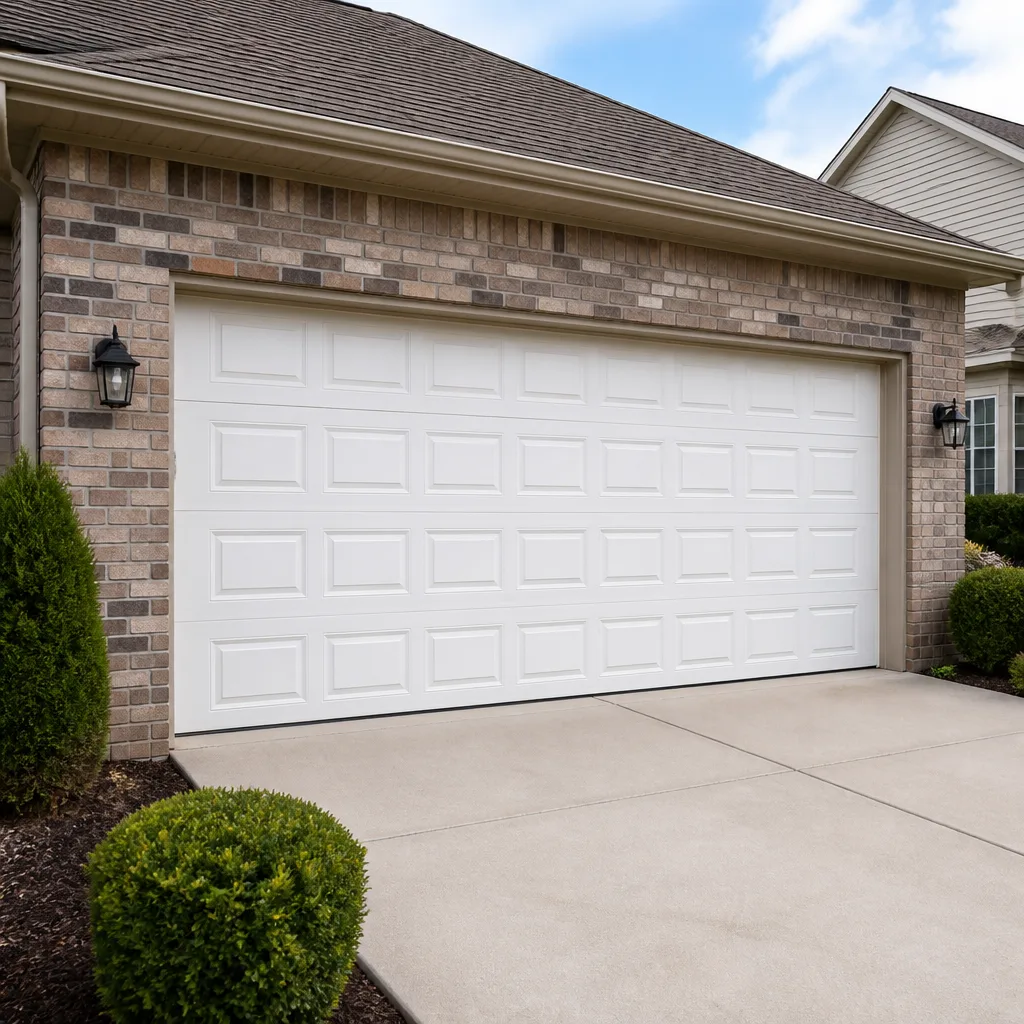
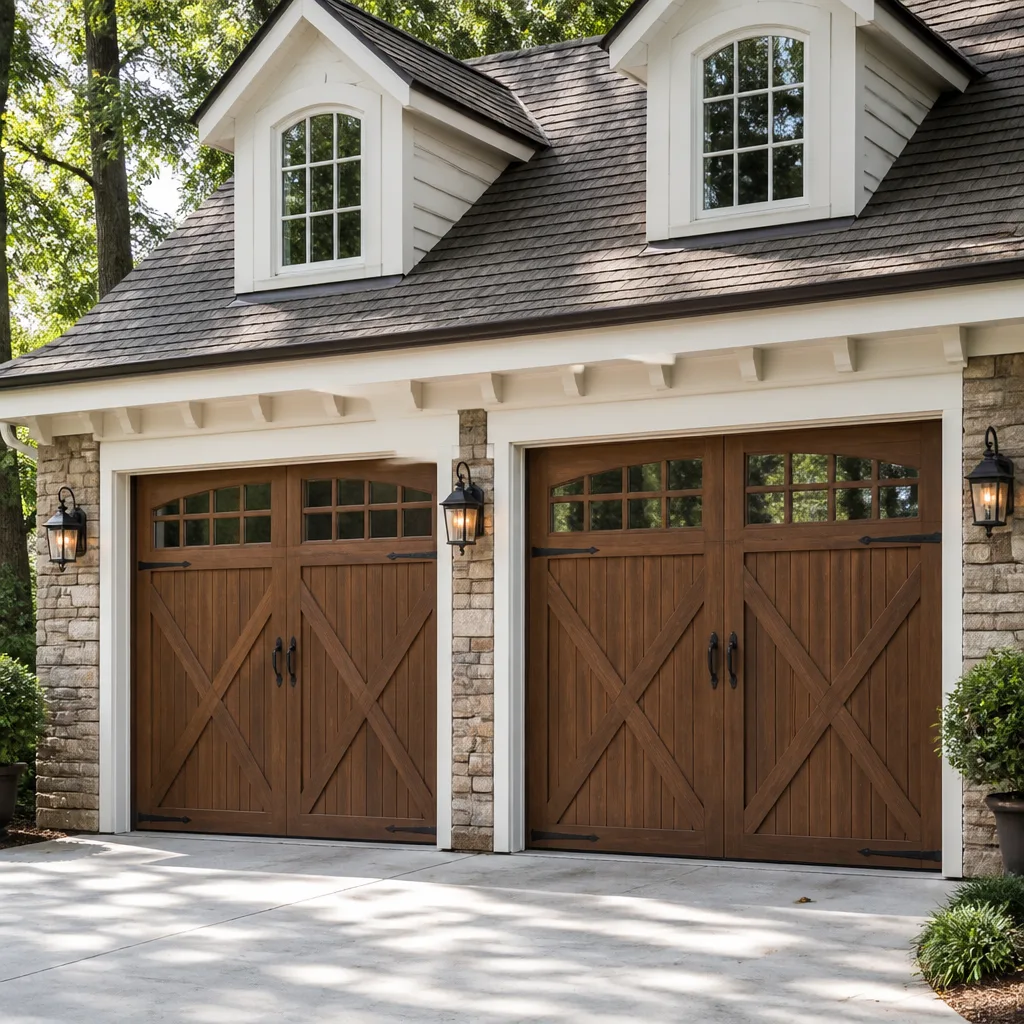
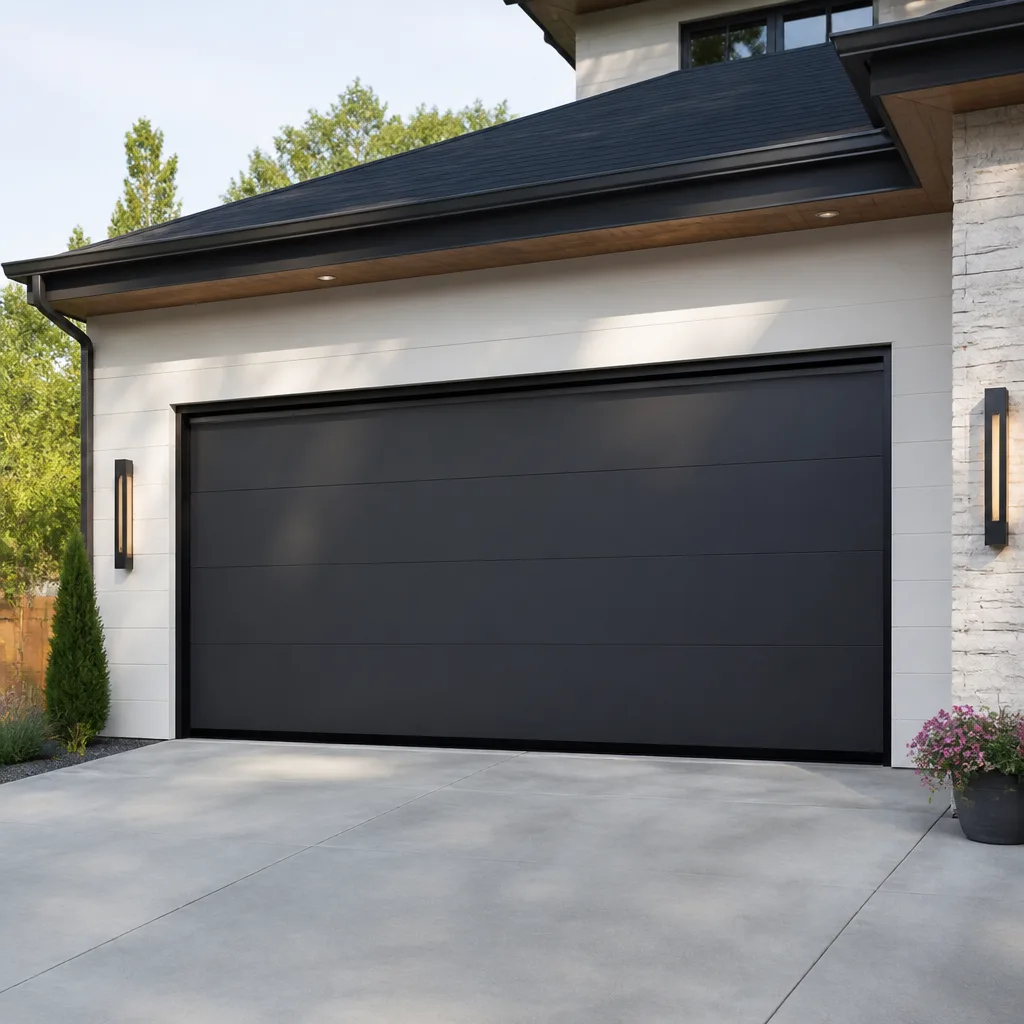
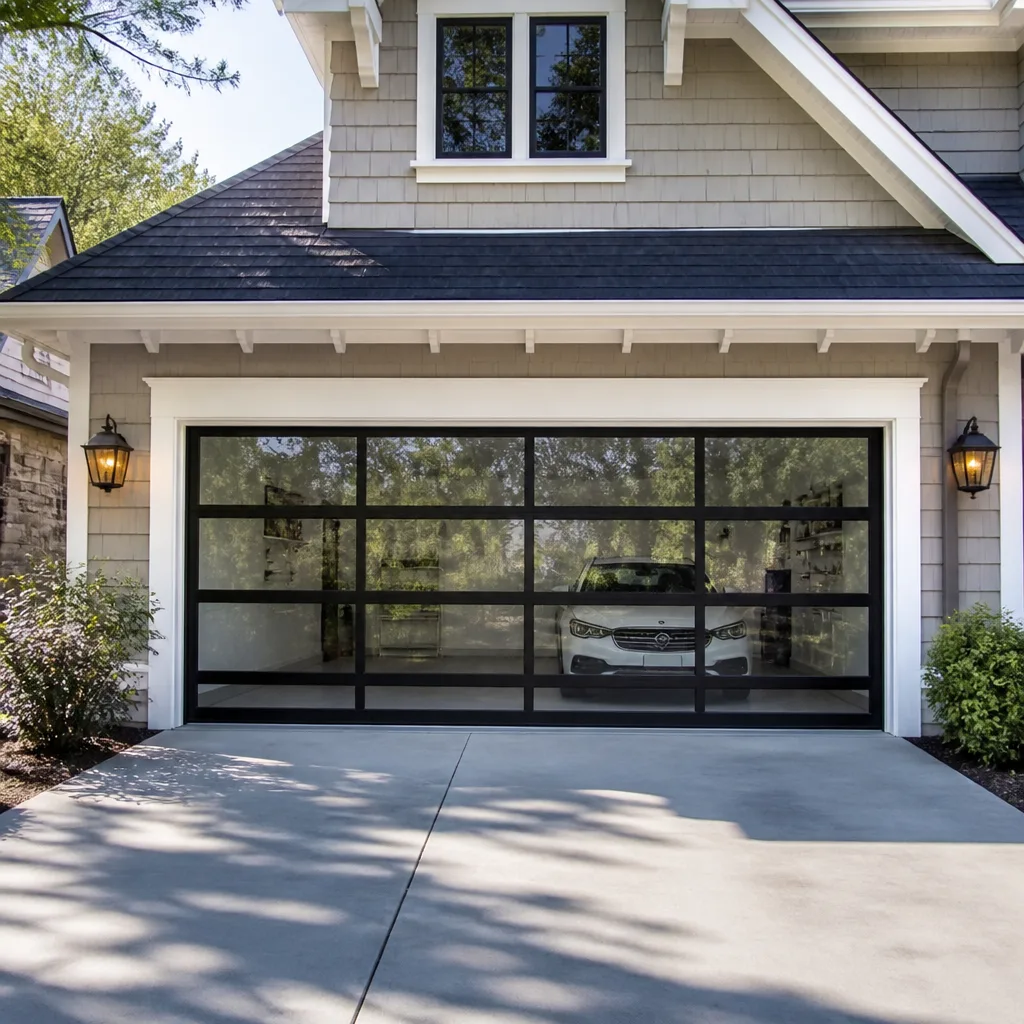
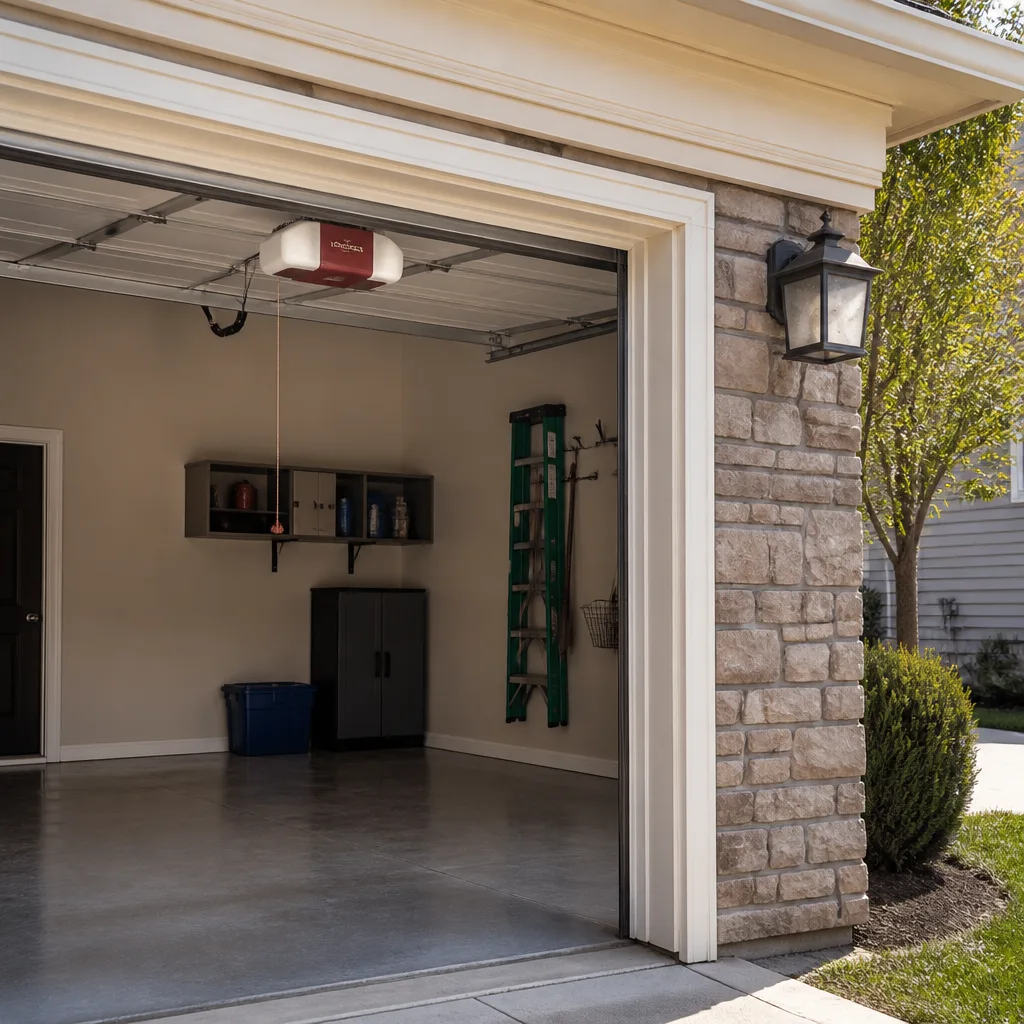
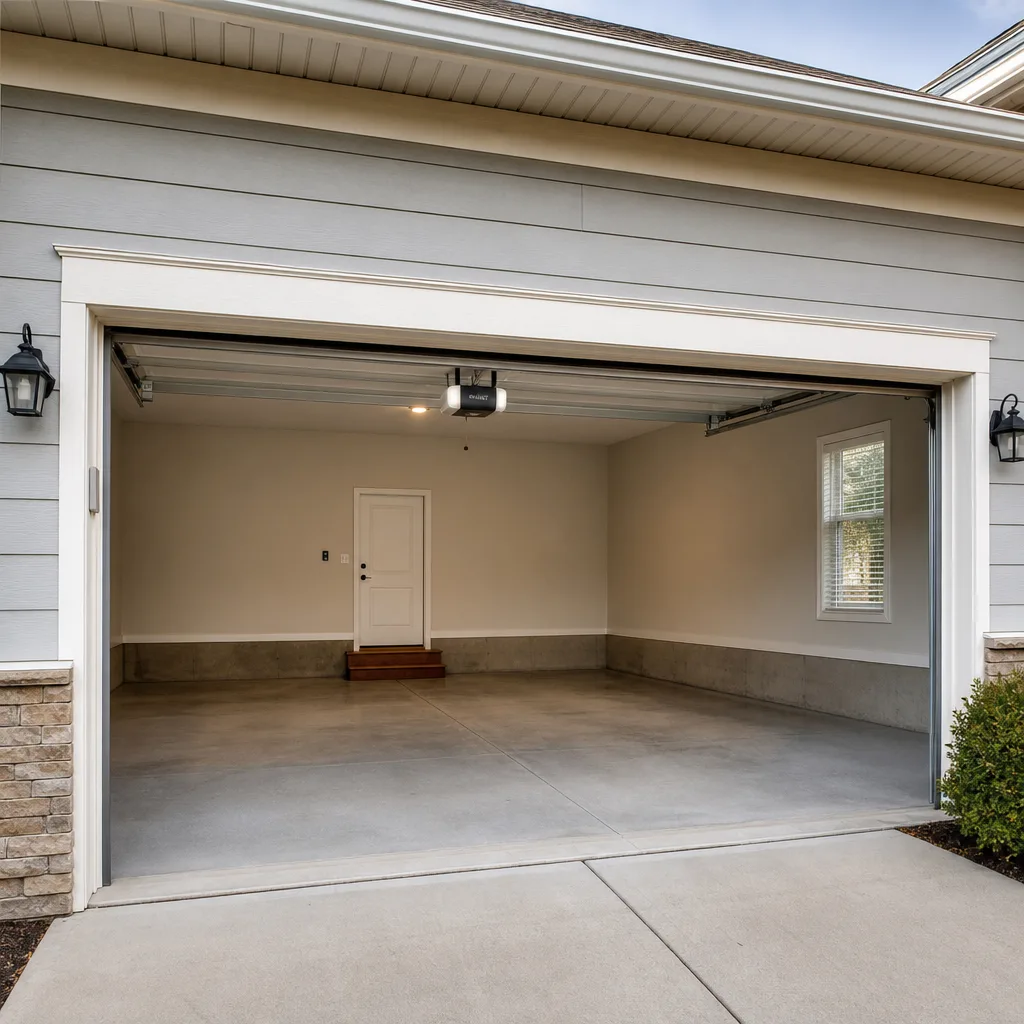
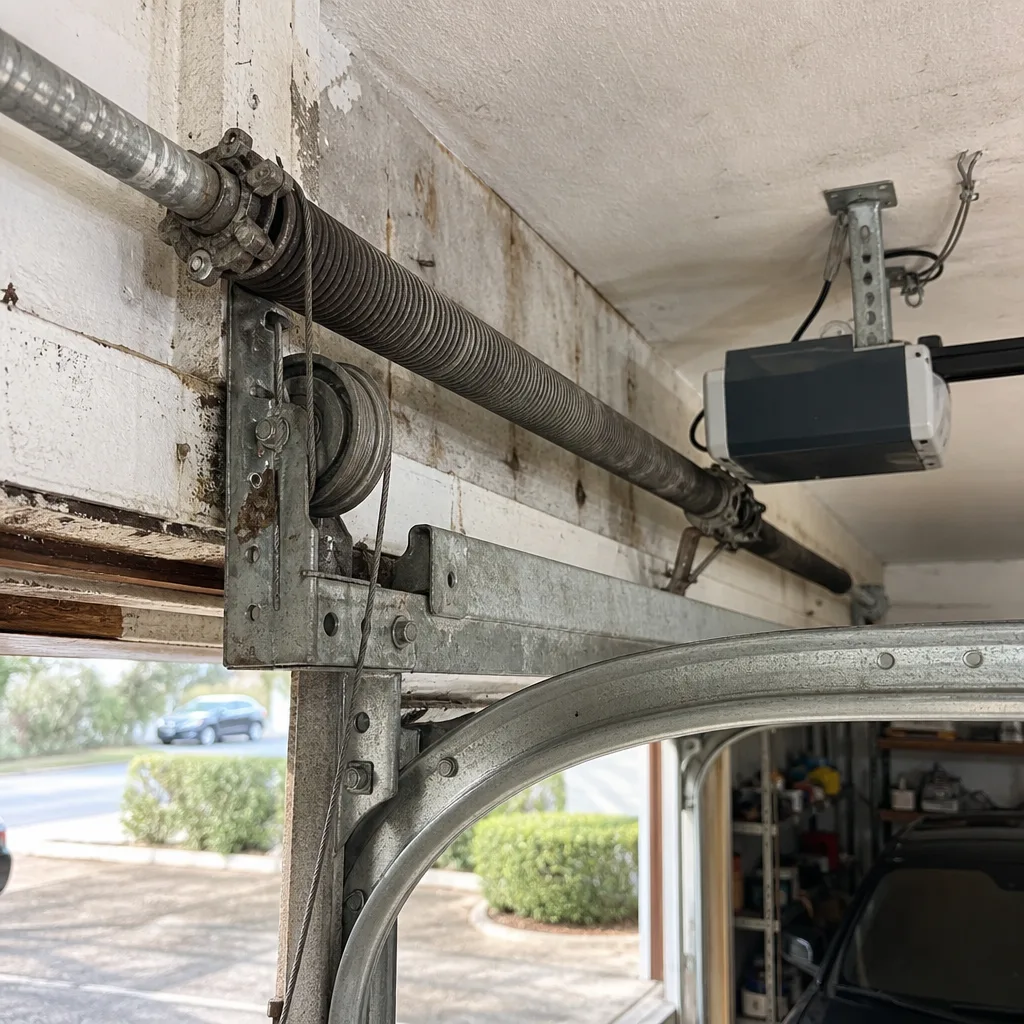 Before
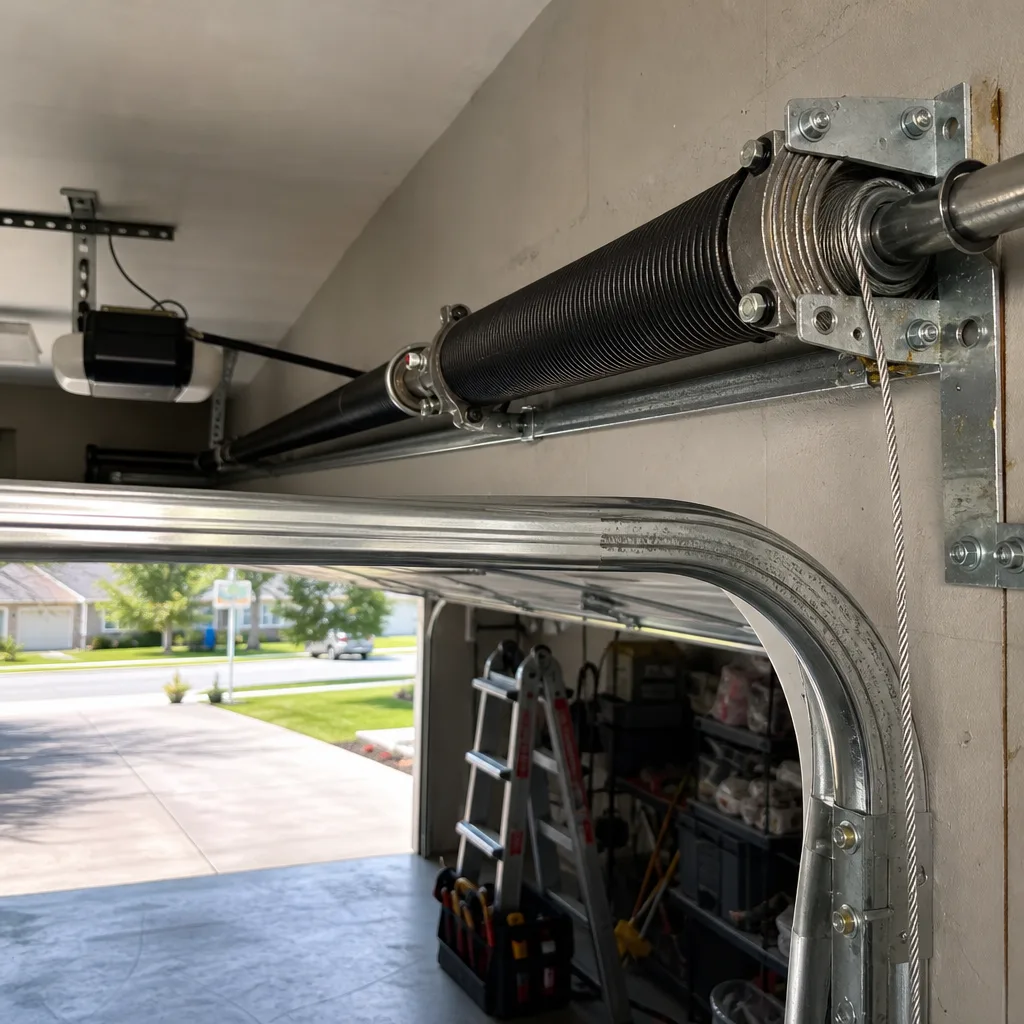 After
After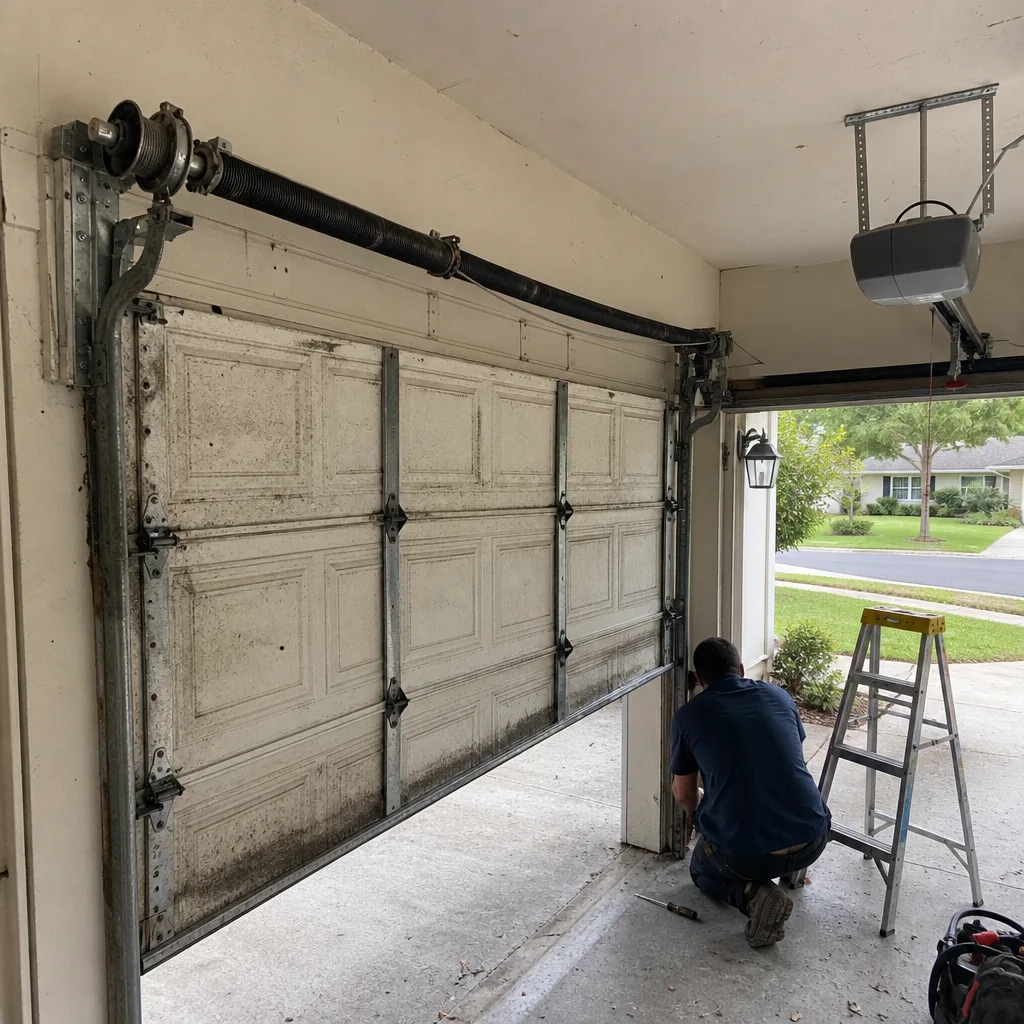 Before
 After
After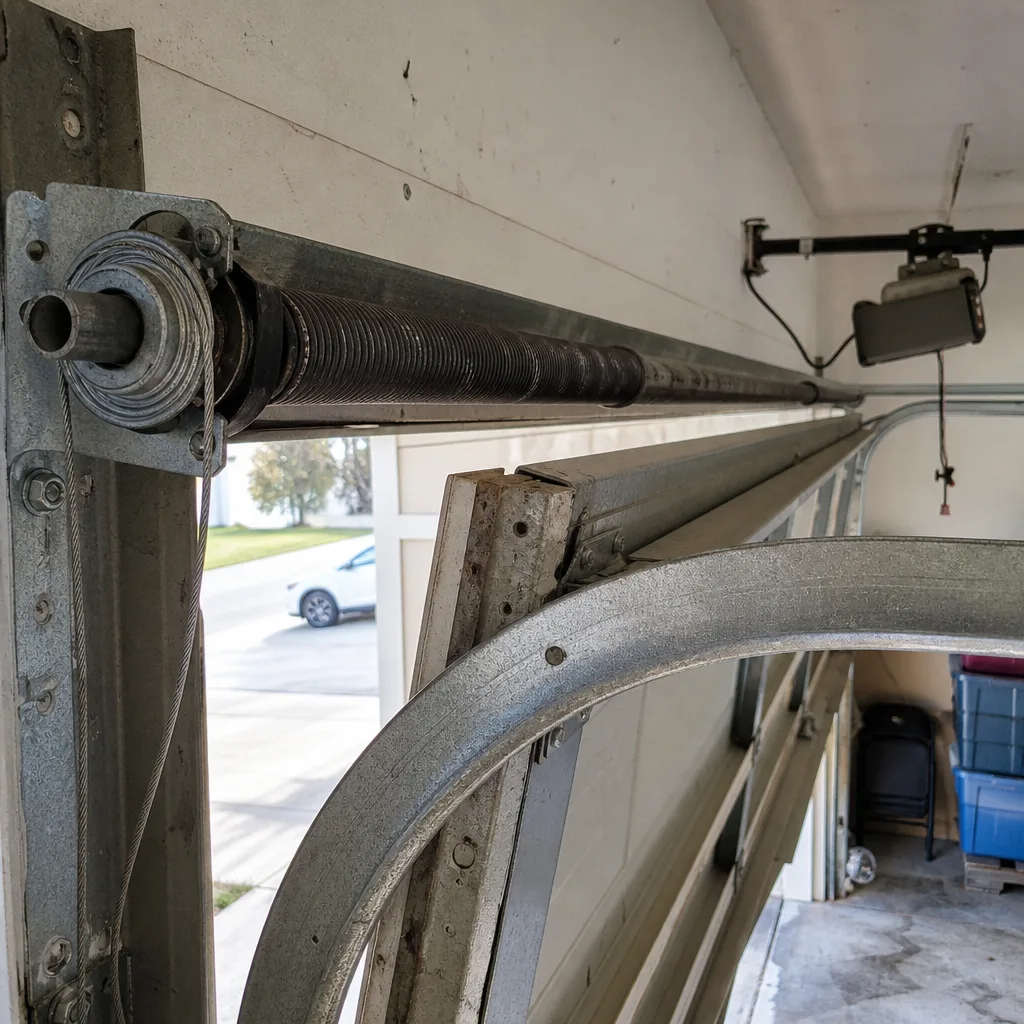 Before
 After
AfterDIY vs Professional Garage Door: The Oviedo Homeowner’s Decision Guide
Every year, Oviedo homeowners search “garage door spring replacement” more than any other DIY term, and a percentage of them end up in the emergency room. The CPSC’s own injury data puts garage door accidents in the thousands annually, and the mechanism behind most of them isn’t complicated: a double-torsion spring system stores roughly 100 foot-pounds of torque that releases in under 40 milliseconds if the winding bars slip. This guide isn’t a lecture about staying in your lane. It’s a component-level map of exactly where a capable Oviedo homeowner can work safely, where Florida code draws a hard line, and what documentation you should demand whether you pick up the wrench or pick up the phone.
Quick Answer
In Oviedo, weatherseal replacement, roller replacement, track lubrication, and photoelectric eye cleaning are safe DIY tasks that take under an hour and cost under $40 in parts. Torsion spring replacement, cable replacement, opener logic board work, and full door installation are not DIY territory: springs and cables carry documented injury risk, and installation requires a permit under Florida Building Code. The smartest DIY move for most major repairs is a 15-minute documented inspection before you call anyone, so you know exactly what you’re asking for and what it should cost-our Garage Door Repair Maintenance Checklist for Oviedo Homeowners walks you through it.
Table of Contents
- Where the Line Actually Is: Component-Level Risk
- Florida Building Code and Your Homeowner’s Insurance
- The 15-Minute Documented Inspection
- Cost and Time Comparison: DIY vs Professional in Oviedo
- What Professional Work Should Look Like
- Verifying the Work: 10 Minutes, No Special Tools
- Common Mistakes to Avoid
- When to Call a Professional
- Frequently Asked Questions
- The Bottom Line
BeforeAfterWhere the Line Actually Is: Component-Level Risk
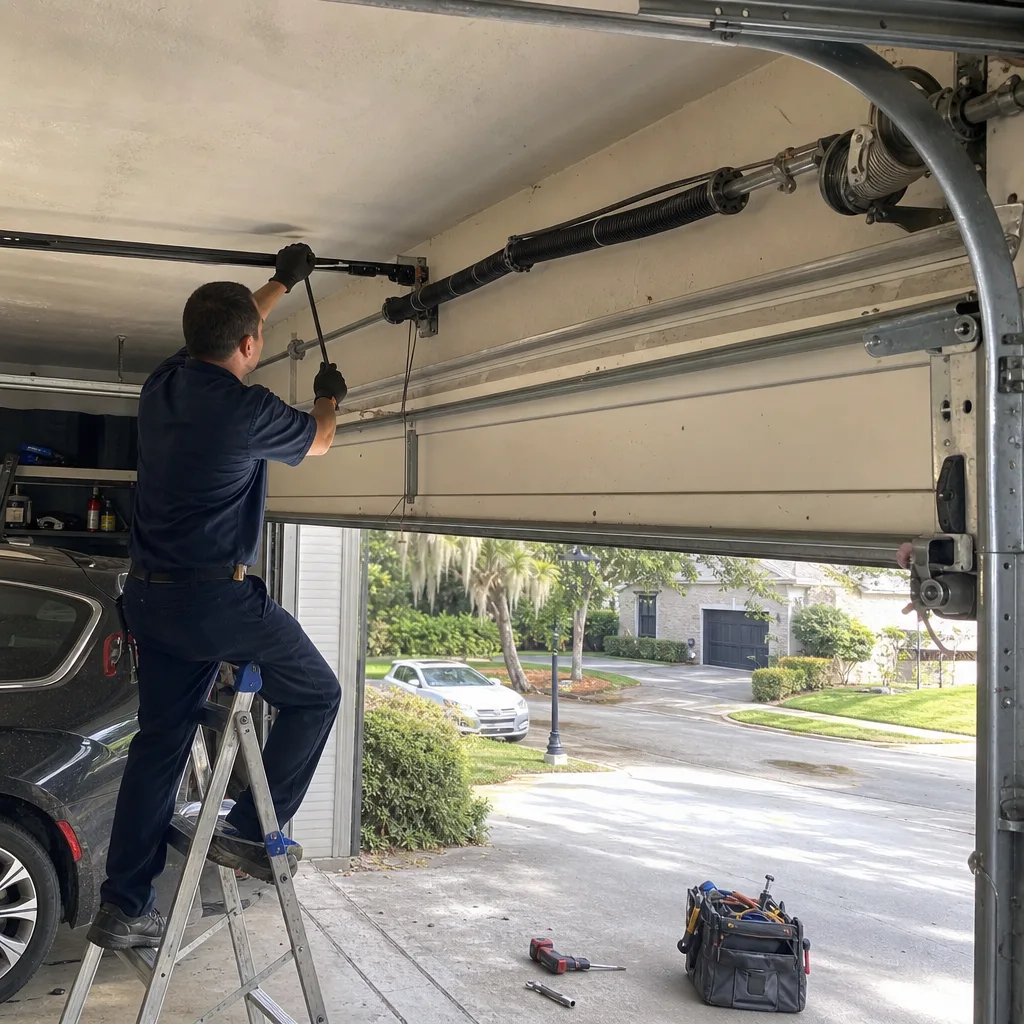
The DIY-versus-professional decision isn’t about how handy you are. It’s about which components store energy, which components bear the full weight of the door, and which components are simply wear items you can swap in a Saturday morning. Here’s how we break it down for Oviedo homes, based on what we see in garages across Tuskawilla, Live Oak Reserve, and Carillon.
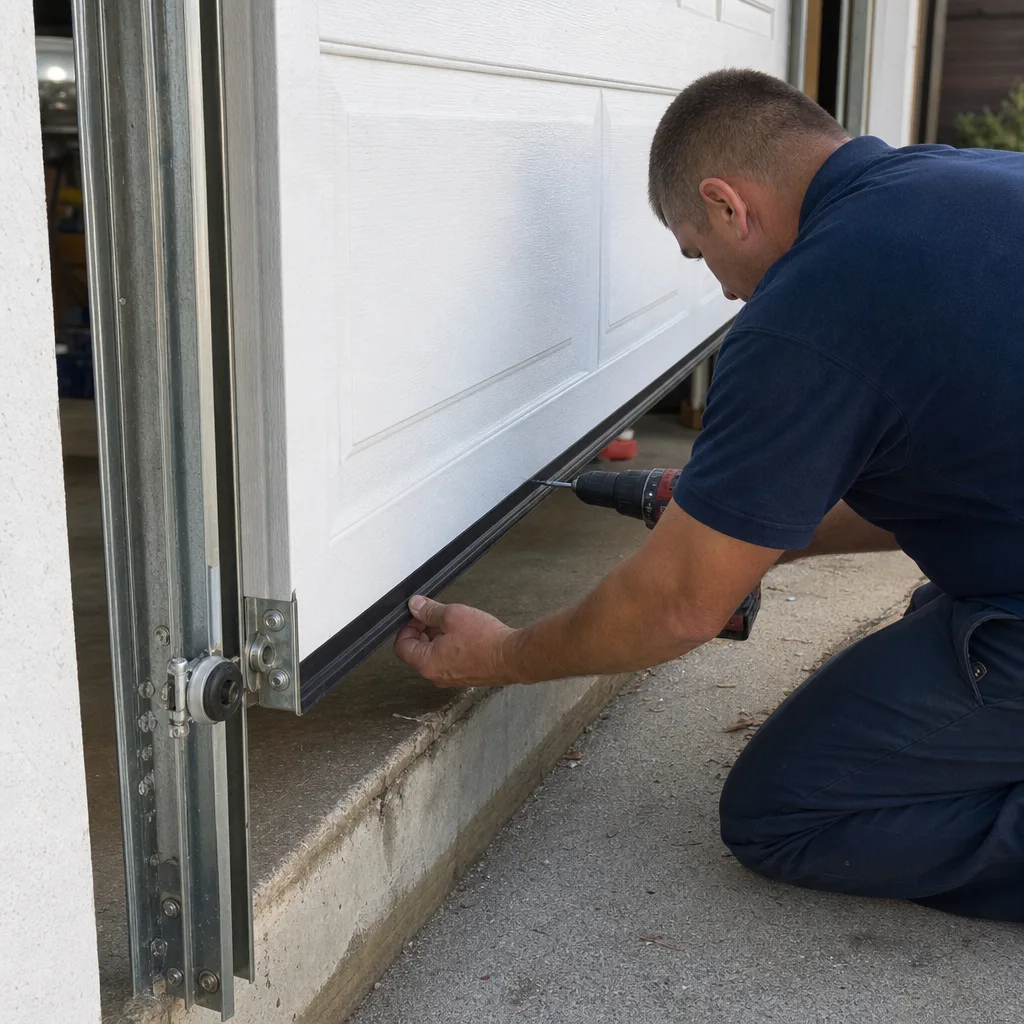
- Bottom weatherseal (DIY-safe): The rubber strip along the bottom of the door cracks and flattens in Florida humidity. It slides out of its track and a replacement slides in. Ten minutes, a utility knife, and a $25 part. No risk.
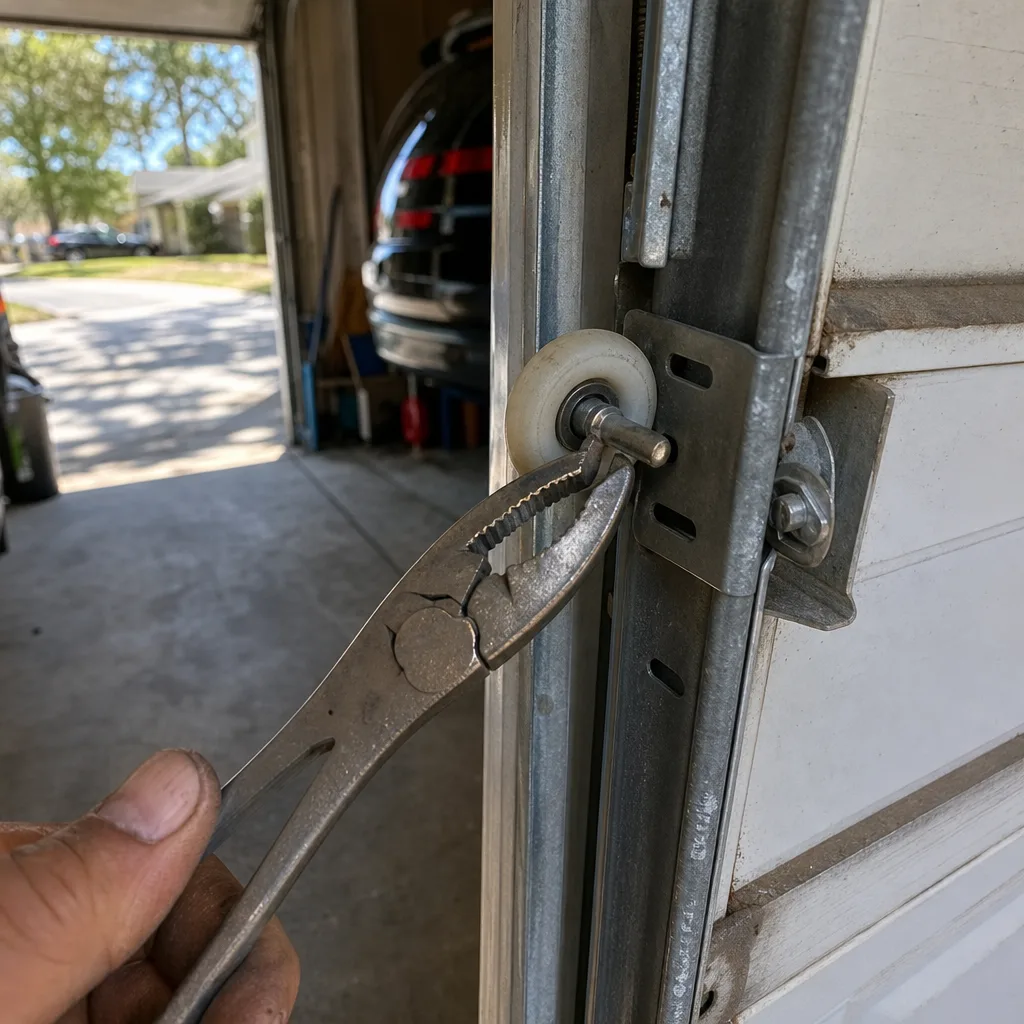
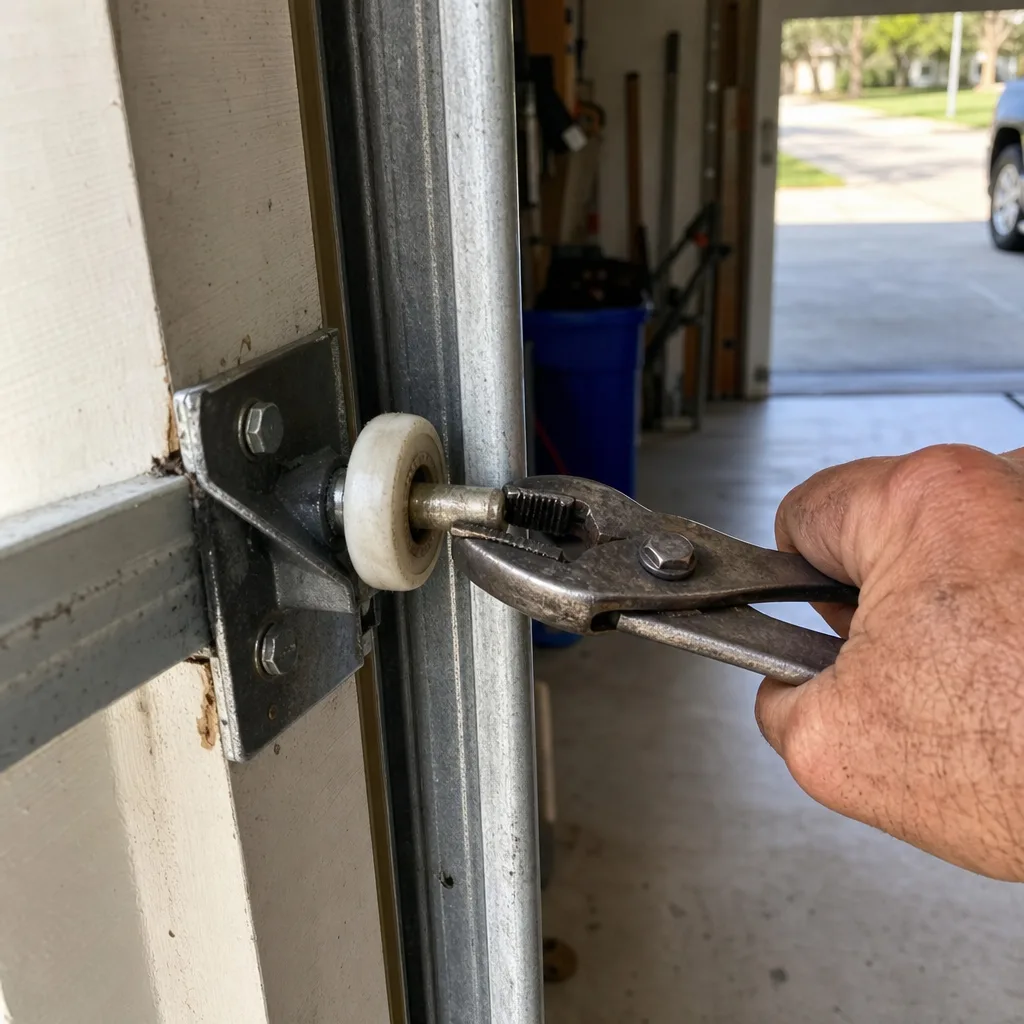
- Rollers (DIY-safe with a caveat): The wheels that ride the vertical tracks wear out and make noise. You can replace the bottom two using a 7/16-inch wrench after unbolting the hinge. The caveat: you must secure the door in the open position with locking pliers on the track first. Never touch the top rollers. The top fixture is bolted to the track bracket under tension, and that’s where homeowners get hurt.
- Lubrication (DIY-safe, and you should do it): White lithium grease on the hinges and the torsion spring every six months keeps an aluminum or steel door quiet through an Oviedo summer. Not WD-40. Not motor oil. White lithium. $8 a can.
- Photoelectric eyes (DIY-safe): The sensors at the bottom of the track collect dust and spider webs. Wipe the lens with a dry cloth, make sure the small LED stays steady, and you’ve eliminated half of all opener failures. If the LED blinks, that’s an alignment or wiring issue you can usually fix with a level and a screwdriver.
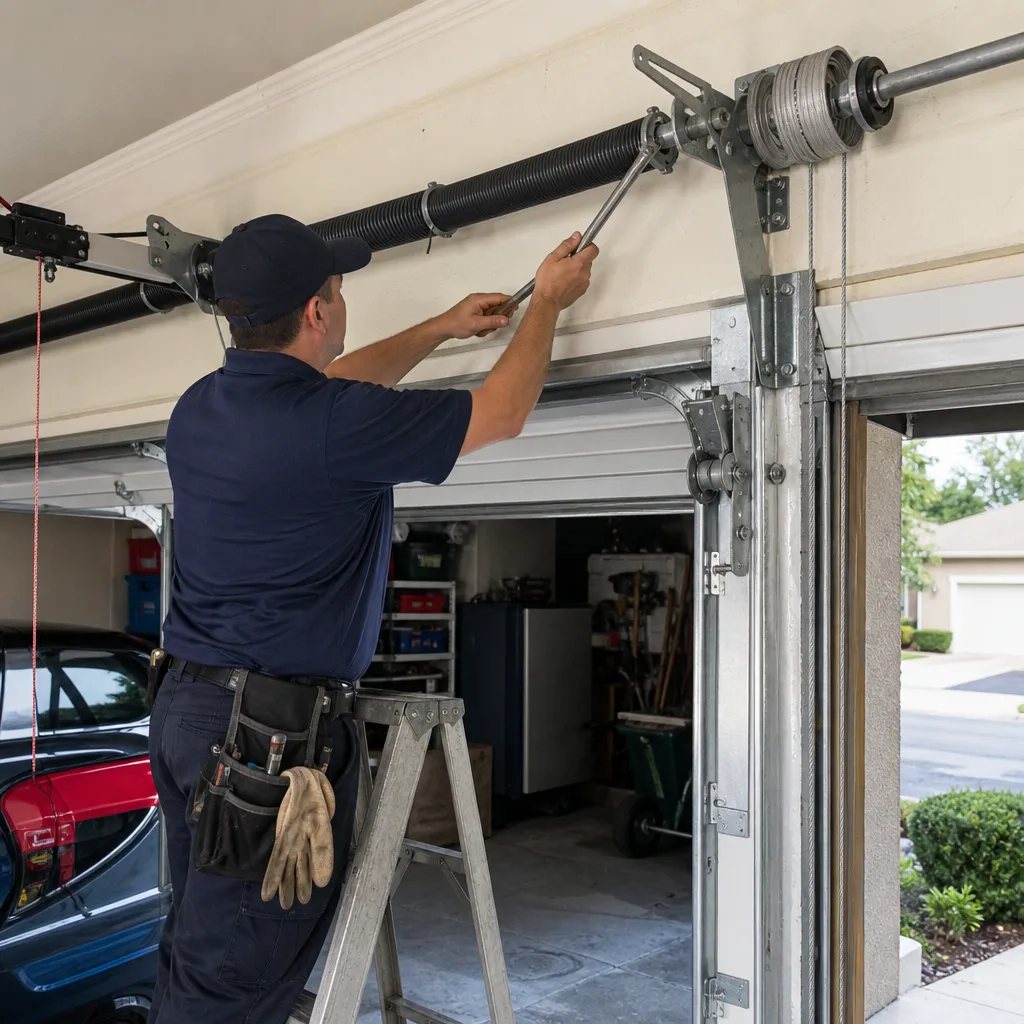
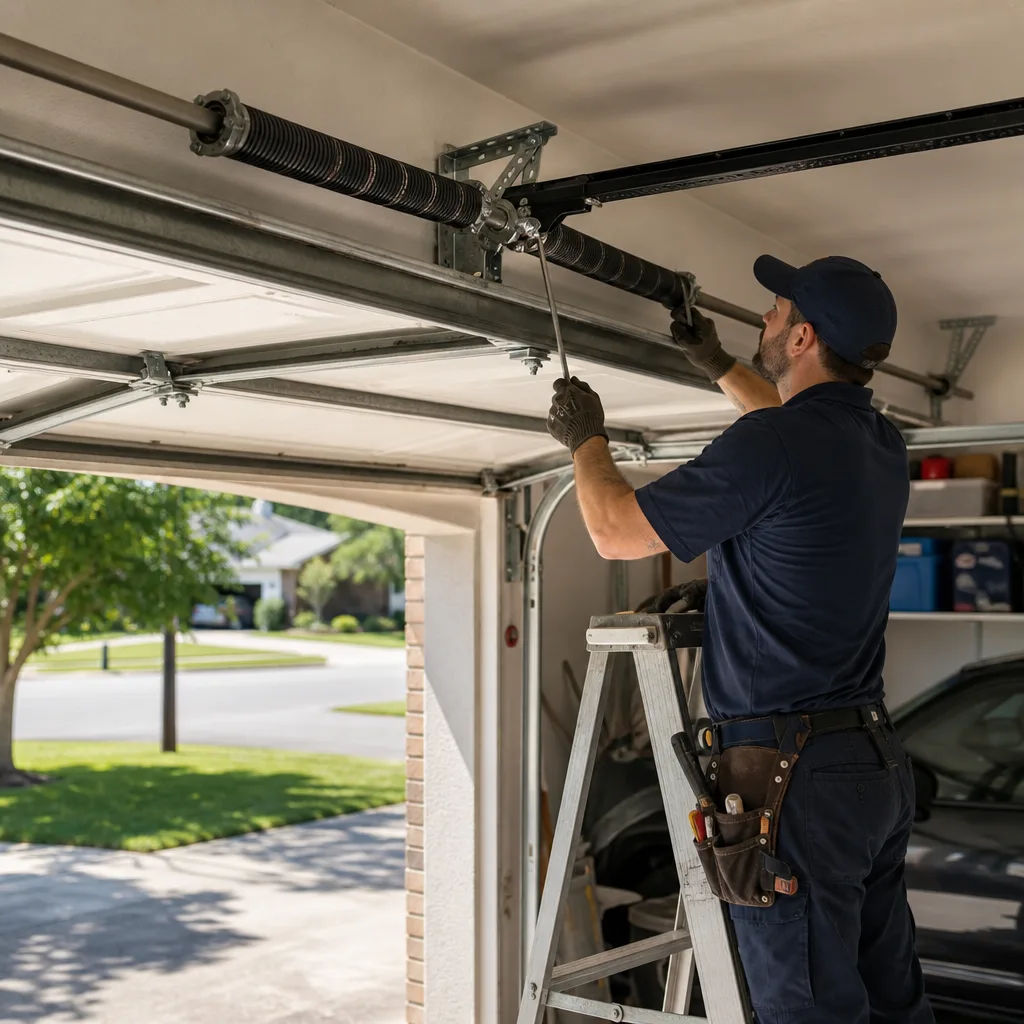
- Torsion springs (professional only): This is the component that kills DIYers. The spring is wound to counterbalance the door’s weight, and the winding cones on a double-spring system hold roughly 100 foot-pounds of stored torque. One slip of a winding bar and that energy releases into whatever is in its path. In the time it takes to blink, you’re in an ambulance. Even professional technicians use specifically sized winding bars, never screwdrivers, and we stand to the side, never in the cone’s line of rotation.
- Lift cables (professional only): The cable is under full door tension even when the door is down. If the spring breaks, the cable goes slack and the door can drop like a guillotine. If you see a frayed cable, close the door gently, disconnect the opener, and stop touching things.
The line isn’t about pride. It’s about stored energy and gravity load. Weatherseal doesn’t store anything. A torsion spring stores enough to break a forearm.
Florida Building Code and Your Homeowner’s Insurance
Here’s the part most “DIY vs Pro” guides skip: Florida Building Code is not advisory. It’s legally binding, and the state’s wind-load provisions make garage doors a structural concern in a way that surprises homeowners from other states. Oviedo sits in a high-wind zone, and your garage door is the largest opening in your house’s exterior envelope. When a hurricane comes through Central Florida, the garage door is the first thing that fails, and when it fails, your roof goes with it from internal pressure.
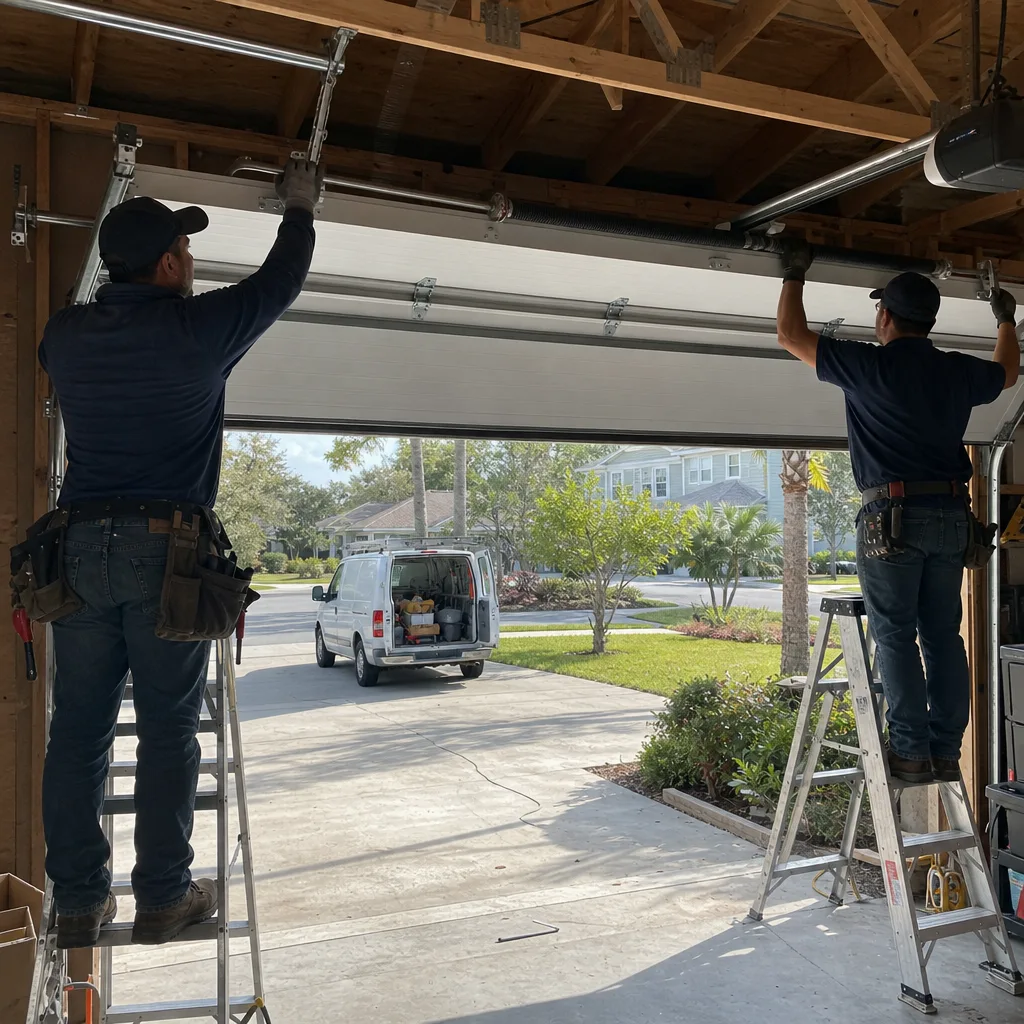
Under Florida Building Code-see Garage Door Permits, Codes & Inspections in FL: What You Need to Know for the full picture-specifically the wind-load provisions in Section 1609 and the product approval requirements in Chapter 17, any garage door installation requires a permit and must use a door that carries a Florida Product Approval number. Unlicensed installation is prohibited under Florida Statute 489, which regulates contracting without a license. Here’s what that means practically:
- If you install a new door yourself and don’t pull a permit: The work is unpermitted. When you sell the house, it must be disclosed. If the door fails in a storm, your insurance company has a documented basis to deny the structural damage claim on the grounds that a code-required opening was modified without inspection.
- If an unlicensed handyman installs the door: Same exposure. No permit means the work, by definition, wasn’t inspected against Florida’s wind-load requirements. Your insurance company will ask for the permit record. If it doesn’t exist, the claim gets complicated fast.
- If a licensed contractor pulls the permit: The installation is inspected, the product approval is on file, and if the door fails after a storm, there’s a documented chain of responsibility that your adjuster can’t reasonably dispute.
Spring replacement is different. It’s classified as a repair, not an installation, so no permit is required under Florida code. But it’s the highest-injury task on the door. So the legal line and the practical line don’t match: code permits a DIY spring swap, and CPSC data says it’s a bad idea.
Our position at Servo is straightforward. If it’s a wear item you can touch without tools that release stored energy, the code doesn’t care and neither should you. If it bears structural load or stores torsional energy, the cost of a professional in Oviedo is a rounding error against the cost of a denied claim or a broken radius.
If you’re already looking at a garage door installation in Oviedo, the permit question is settled: it’s required. We handle the product approval paperwork and the inspection coordination as part of the job. That’s not a convenience. That’s the law.
The 15-Minute Documented Inspection
We built Servo on a rule that changed how we quote: customers see the failed part before anyone quotes a replacement. Clause 4 of The Haven Standard requires it. You can do the same thing from your side. Before you call any contractor in Oviedo, spend 15 minutes documenting what you see. It changes the conversation from “the door doesn’t work” to “here’s what failed, here’s what I measured, what’s your price.” That’s a completely different negotiation.
Do this:
- Photograph the whole door from inside, closed, standing 10 feet back. Then photograph each side of the track, both springs, and both cables individually. Six to eight photos minimum. If you can, slide your phone under the door and shoot the bottom weatherseal.
- Measure the door height and width to the inch. Also measure the spring: wire diameter to the nearest 1/16 inch, inside diameter, and total length. If the spring is broken, measure the remaining piece and note the break point. Not every homeowner can translate those numbers into a part number, but a contractor who sees those measurements knows you’ve done your homework.
- Note the symptom precisely. Not “it’s broken.” Write: “The door opens two feet and stops with a bang on the right side.” Or “The opener runs but the door doesn’t move, and I can see the trolley carriage sliding freely on the rail.” Specifics eliminate the $89 diagnostic visit that ends in a five-minute quote.
- Check the balance. Pull the red emergency release cord and lift the door manually to waist height. A properly balanced door stays there. If it drops, the springs are failing. If it flies up, someone over-wound the springs or installed the wrong size. Either way, that’s a documented symptom.
- Photograph the opener model sticker. It’s on the motor housing. The model number tells the contractor whether you have a Chamberlain, LiftMaster, or Genie unit and whether the current repair call is even worth it versus an opener replacement. No guesswork.
When you call with that notebook in hand, two things happen. The contractor quotes a tighter price because the diagnostic uncertainty is gone. And the contractor who was planning to upsell you a full door replacement realizes you’ll see through it. If you want a second opinion on a written estimate you already have, bring the paperwork. The Free Second Opinion at Servo applies to any competing written estimate, and we’ll go through it line by line.
We’ve written about the inspection mindset before in our garage door repair in Oviedo guide. The short version: the more you document, the less you pay for someone else’s guesswork.
Cost and Time Comparison: DIY vs Professional in Oviedo
Here’s the honest math, using 2025 parts pricing from Oviedo hardware stores and the labor rates we see across Seminole County-see our Garage Door Cost Breakdown: The Oviedo Homeowner’s Reference for 2026 for deeper pricing context. One note before the table: “DIY cost” assumes you already own basic hand tools. If you need to buy a torque wrench, a pair of winding bars, and locking pliers, add about $90 to any DIY job the first time.
- Bottom weatherseal replacement: DIY $25, one hour. Professional $95-$150 installed. Savings: $70-$125. Verdict: DIY unless you’re physically unable to kneel.
- Roller replacement (bottom two): DIY $18 for two nylon rollers, 45 minutes, assuming you have locking pliers and a wrench. Professional $120-$180 for all rollers, lubed, and inspected. Savings: $100-$160. Verdict: DIY if you secure the door properly; call a pro if you’re at all unsure about the tension point.
- Track lubrication and tune-up: DIY $8, 20 minutes. Professional $89-$129 for a full 21-point inspection plus lubrication. Savings: $80-$120. Verdict: DIY the lubrication quarterly; hire the inspection once every two years if your door is over ten years old.
- Photoelectric eye alignment: DIY $0 if you have a screwdriver and a level, 30 minutes. Professional $85-$110 for alignment and opener testing. Savings: $85-$110. Verdict: DIY. If the light still blinks after you align it, the sensor needs replacement, which is a $150-$200 pro job.
- Torsion spring replacement (single spring): DIY $60 for the spring, but only if you already own $90 in winding bars and have a death wish. Professional $250-$400 in Oviedo, same day, with a warranty. Verdict: professional. Always. The savings don’t exist because the injury risk is the actual cost.
You’ll notice what’s missing from that list. Cable replacement, spring replacement, and anything involving the opener’s circuit board are absent. That’s because the parts cost is irrelevant when the task can hospitalize you or when the diagnostic equipment costs more than the repair. If the opener’s logic board is fried on a 2014 Chamberlain, the question isn’t “can I solder it” but “should I replace the board or the whole opener,” and a technician can answer that in two minutes with a multimeter.
For opener-specific math, we go deeper in our garage door opener repair and installation in Oviedo guide. The short version: opener work is 90% diagnosis, and diagnosis is the part you can’t do with a YouTube video.
What Professional Work Should Look Like
We don’t talk much about what competitors do, but we’ll describe what the standard should be, because your verification process depends on it. When a professional garage door company works on your Oviedo home, you should expect all of the following, and if you don’t see it, ask why.
Written price before any work starts. Not a verbal estimate. Not a range. A written line-item price with a written scope of work, delivered before anyone touches the door. That’s Clause 1 of The Haven Standard, and it’s been our operating rule since 2015. If a contractor says “we’ll see what it needs and go from there,” you’re looking at an open checkbook, not a quote.
Photo documentation of the failed component. The technician should show you the broken part. Not tell you about it. Show you the spring with the clean break at the coil. Show you the frayed cable. Show you the burn mark on the logic board. If the contractor says “your whole door needs replacing” but can’t show you why, you’re in an upsell conversation, not a diagnostic conversation. That rule is why Servo exists: our founder photographed a failed $40 bearing after watching a competitor quote a full door replacement, and the rest is Clause 4.
Brand-appropriate parts, not whatever is on the truck. If you have a Genie opener, the replacement logic board should be a Genie board or a compatible aftermarket unit, not a mismatched universal that fights your door’s travel limits. Same with springs: the wire diameter and coil length have to match the door’s weight, not just be “close enough.” We service all the major brands, including Clopay and Amarr doors and Chamberlain, Genie, and LiftMaster openers, because parts compatibility is job one.
A closing summary you can file. When the job is done, you should get a document showing what was found, what was replaced, what it cost, and what the warranty is. Not a receipt. A record. The kind of thing you attach to the disclosure form when you sell your house in 2030 and the buyer asks “was the garage door ever worked on.” The documented photo record is included on every Servo visit, not offered as an option.
One more thing that matters in Oviedo specifically: hurricane season. A professional door should be wind-load rated and installed to Florida’s high-wind standards. If a quote doesn’t mention wind load for a new door installation, ask. It’s not optional, and if Amarr or Clopay didn’t build the door with a Florida Product Approval number, it doesn’t belong on your Oviedo house.
Verifying the Work: 10 Minutes, No Special Tools
You don’t need to be a technician to confirm the job was done right. You need ten minutes, your eyes, and your ears. Here’s the homeowner’s verification checklist we give every Oviedo customer after a repair or installation:
- Balance test again. Pull the release cord, lift the door manually to waist height, and let go. It should hold position. If it drops more than a few inches in ten seconds, the springs are under-wound and need adjustment. If it creeps up, they’re over-wound. In our experience, under-wound springs are the most common error after a DIY or budget repair.
- Travel limit test. Close the door using the opener. When it’s fully closed, the weatherseal should compress evenly along its full length. If one side touches down before the other, the door is racked or the limits are set unevenly. Open the door and confirm it stops level, not three inches short or banging into the opener rail.
- Force reversal test. Place a 2×4 flat on the ground under the door path and close the door. It should reverse within two seconds of touching the wood. This is a federal safety requirement under CPSC rules for all openers manufactured after 1993, and it’s the single most important test you’ll run. If it doesn’t reverse, the force setting is too high and a child can be crushed.
- Eyes verification. With the door open, press the wall button to close. Pass your hand through the beam between the two photoelectric eyes. The door should stop or reverse immediately. If it doesn’t, the eyes aren’t aligned or the wiring is wrong.
- Noise check. Open and close the door three times. It should be smooth and continuous. A grinding noise means the rollers or hinges weren’t lubricated or the track is misaligned. A pop or bang at a specific point means something is catching. You’re listening for consistent sound.
- Visual spring check. Look at the torsion spring if it’s exposed. A new spring should be free of surface rust and the coils should be evenly spaced. A gap in the coils means it’s set incorrectly. The spring should not visibly twist or wobble as the door moves.
If you find a problem on any of these six checks, call the company back. The 365-Day Done Right Promise is our version of what every contractor should offer: if it’s not right, we make it right. No argument, no call-avoidance, no second trip charge. You have a year to spot it.
Common Mistakes to Avoid
- Using screwdrivers as winding bars. Winding bars are hardened steel rods that fit squarely into the winding cone. Screwdrivers have round shafts. They slip. The spring releases into your hand. We shouldn’t have to say this, but the CPSC data says we do.
- Lubricating with WD-40. WD-40 is a water displacer with a little solvent in it. It cleans briefly and then dries out. Within two weeks, the hinge is louder than before. Use white lithium grease. It’s $8 at any Oviedo hardware store.
- Replacing one spring on a two-spring door. If one spring broke, the other has the same age and the same fatigue cycles. Replacing one leaves the door unbalanced as the old spring weakens. Replace both or replace none. The old spring is a liability waiting for its turn.
- Pulling the red cord while the door is open. The emergency release is designed to disconnect the trolley from the carriage. If the door is open and the springs are weak, pulling that cord can send the full weight of the door down on top of you. Always run the door to the closed position before pulling the release.
- Adjusting the torsion spring to fix a noisy door. Noise is almost always a roller, hinge, or lubrication issue. Adding spring tension to quiet a noisy door just over-stresses the components and brings the door crashing into the opener rail a few weeks later.
- Ignoring a slow opener because it still works. An opener motor that labors on every cycle is a circuit board failure in its terminal phase. The board costs $180. The new motor costs $350. Wait too long and you’re financing both. We see this in older Oviedo homes with original openers from the early 2000s.
- Painting over a rusted spring instead of replacing it. Surface rust becomes structural rust in Florida’s humidity. A painted-over rusted spring is still a spring with compromised coil integrity. It breaks on a Tuesday at 6 AM, usually when you’re already late.
When to Call a Professional
Call a professional when the component stores energy, bears load, or requires code compliance. That’s torsion springs, lift cables, bottom brackets, full door installation, and any opener work involving the circuit board or motor. Call a professional when you’ve done the documented inspection and the symptom doesn’t have an obvious $30 culprit. Call a professional when your door is more than 15 years old and the repair quote exceeds half the replacement cost. And call a professional when your gut says the risk outweighs the savings. In Oviedo, Servo Garage Doors offers free estimates with a flat written price before any work starts, a documented photo record on every visit, and live phone coverage 24/7 at (689) 666-4089.
Frequently Asked Questions
Under Florida Statute 489, spring replacement is classified as a repair, not a new installation, so no permit or license is legally required for a homeowner to work on their own spring. It is legal and it is dangerous. The legal line and the safety line are in different places, and we recommend treating the safety line as the one that matters. If you’re considering it, weigh the $250 you’ll save against the CPSC’s documented injury rate for this exact task.
A single torsion spring replacement in Oviedo typically runs $250-$400 installed, and double-spring replacement runs $350-$550. The price varies with wire diameter, spring length, and whether we’re replacing the pair. You’ll get a flat written price before any work starts, not a range that grows after the fact. Call (689) 666-4089 and we’ll walk through it.
No. Florida Building Code requires a permit for garage door installation, and in a high-wind zone like Oviedo, the door must carry a Florida Product Approval number. An unpermitted installation creates a disclosure problem when you sell and gives your insurance company a documented basis to deny structural claims if the door fails in a storm. The permit isn’t paperwork theater. It’s the inspection that proves your door meets wind-load requirements.
It depends on the component. If your DIY weatherseal replacement fails, the worst case is a wet garage floor, and insurance never enters the conversation. If your DIY door installation fails during a hurricane and it wasn’t permitted, your insurer will ask for the permit record. When it doesn’t exist, the structural damage claim gets denied or drastically reduced. For anything load-bearing or code-covered, the written permit and inspection record is your insurance policy’s best documentation.
Ask for the license number, then verify it on the Florida Department of Business and Professional Regulation website. It takes ninety seconds. A licensed contractor should show you proof of insurance and pull permits for any new installation. If the contractor deflects, you have your answer. This is also the moment to ask for a written price before any work begins. Clause 1 of The Haven Standard exists precisely because Oviedo homeowners got tired of asking and not receiving.
Quarterly: lubricate the hinges, rollers, and torsion spring with white lithium grease, and clean the photoelectric eye lenses. Semi-annually: check the balance manually, inspect the cables for fraying, and test the force reversal with a 2×4. Annually: photograph everything and compare against last year’s photos so you can see wear progression. These steps take under an hour total per session and they’ll catch most failures before they become emergencies.
The Bottom Line
The garage door is the only piece of machinery in your house that moves a load over your head every single day, and it’s the only one most homeowners treat as decoration until it stops working. The DIY-versus-professional answer isn’t about your skill level. It’s a component-by-component risk assessment. Weatherseal, rollers, lubrication, and sensor cleaning: do them yourself and save real money. Springs, cables, installation, and circuit boards: the professional cost is an insurance policy and a hospital bill avoided. Document everything, verify the work with the six checks above, and when you hire, demand a written price before anyone touches the door. For more guides & resources on keeping your door safe and your costs predictable, explore our blog. That’s the standard in Oviedo, or it should be.
Ready for a documented, written-price quote? Call Servo Garage Doors Oviedo at (689) 666-4089 for a free estimate. We answer live, 24/7.
Written by Marcus Deller, Owner at Servo Garage Doors Oviedo, serving Oviedo since 2015.