
Last updated September 20, 2026
Full 25-point door and opener safety check with every visit - springs, cables, rollers, tracks, and your LiftMaster or Chamberlain opener included
You get a price before we start. It does not change when the truck arrives.
 Before
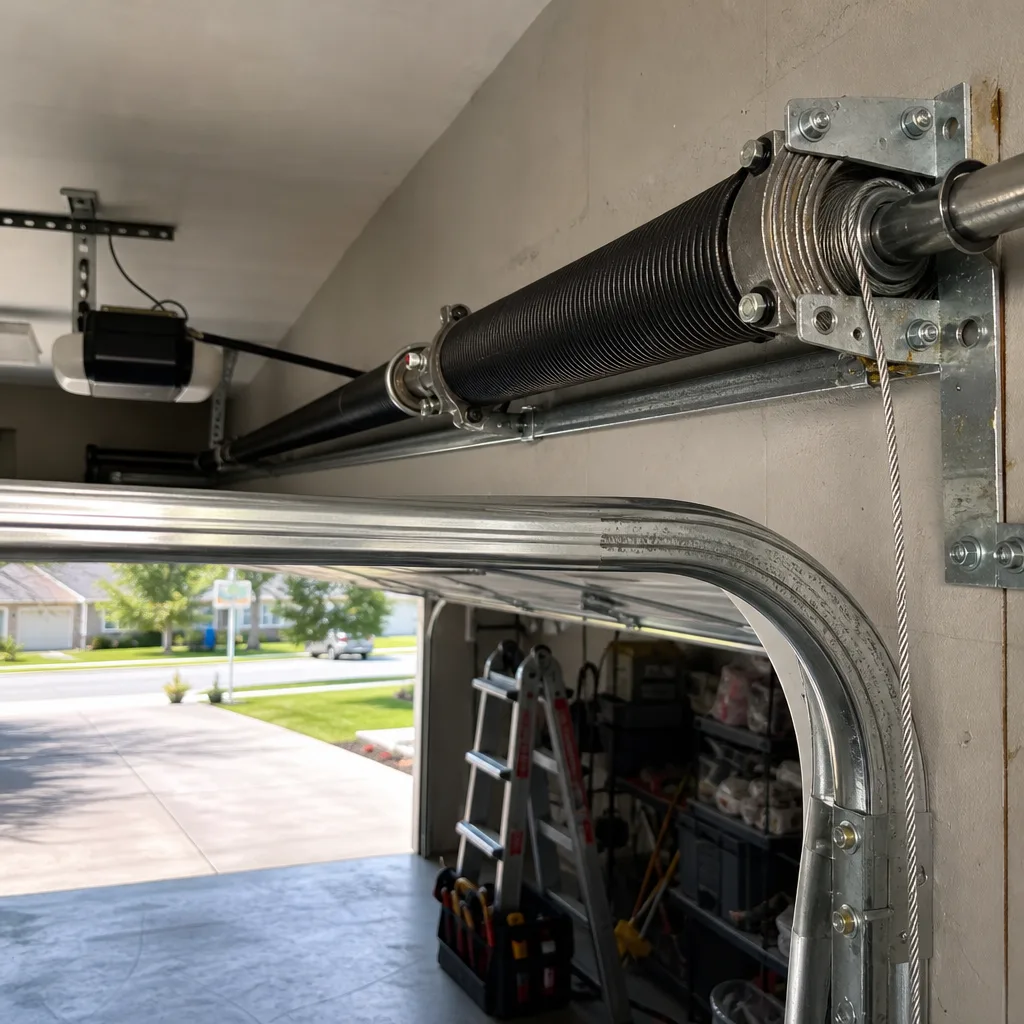 After
After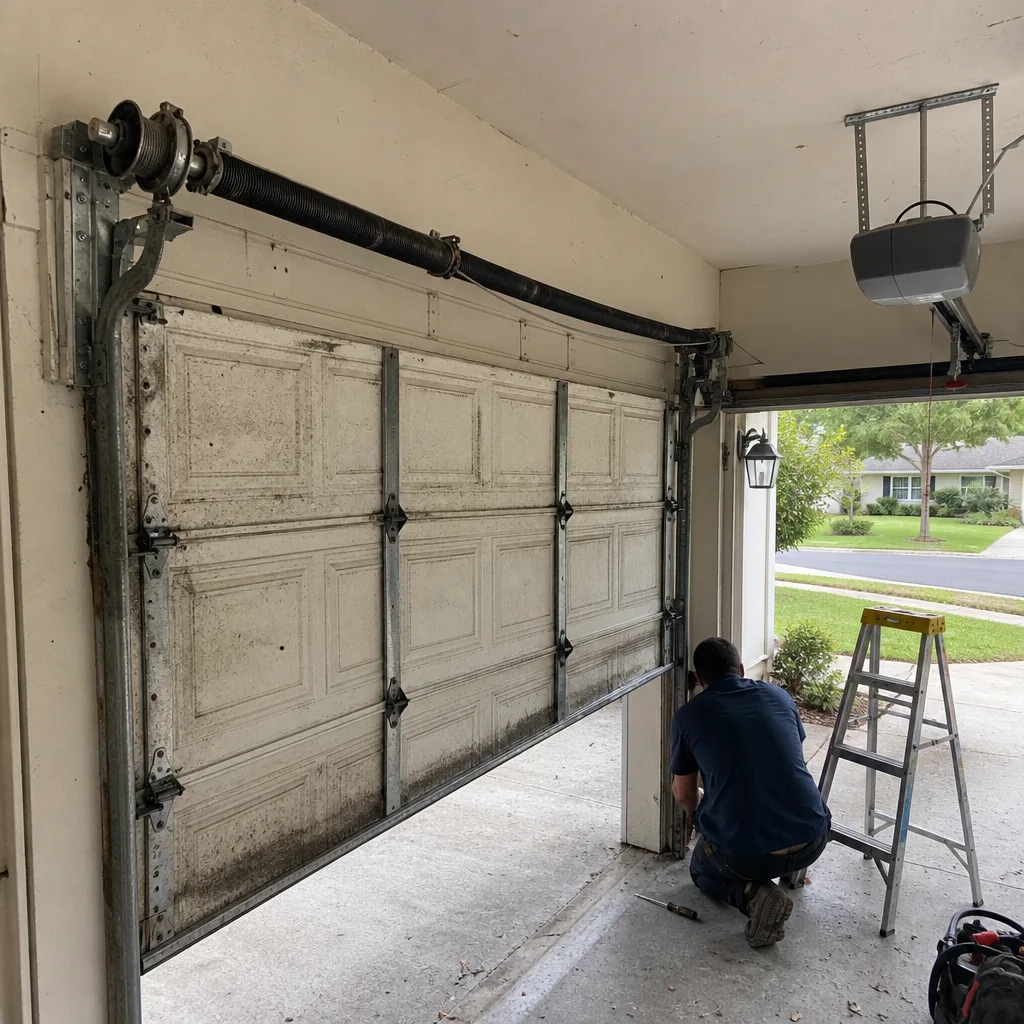 Before
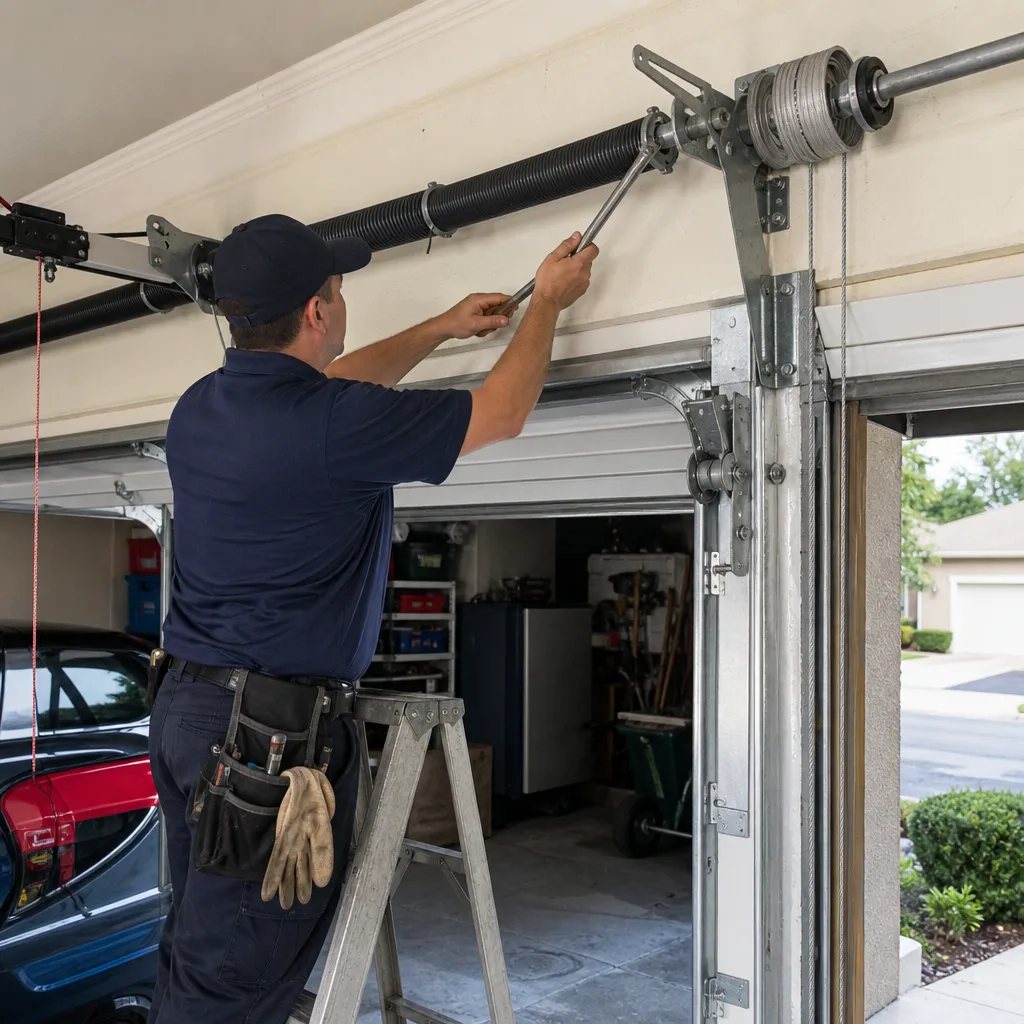 After
After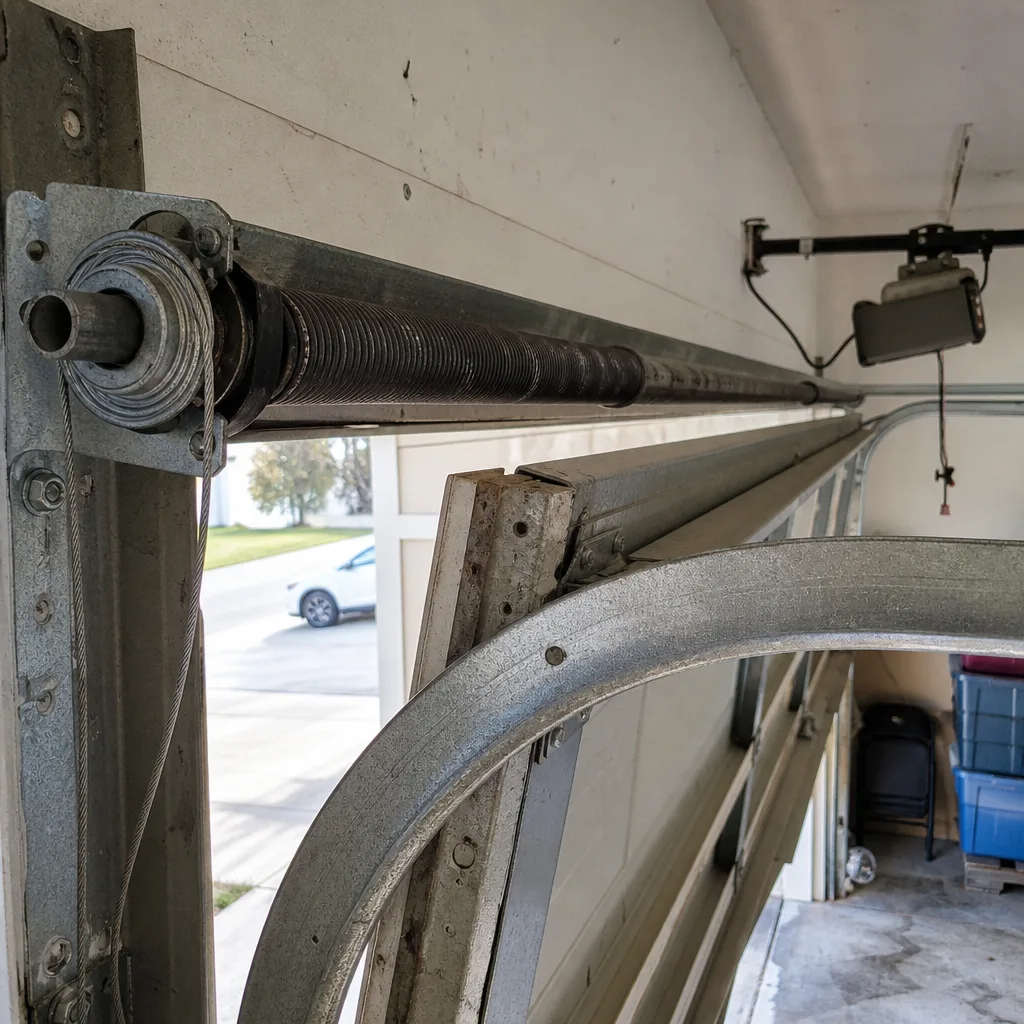 Before
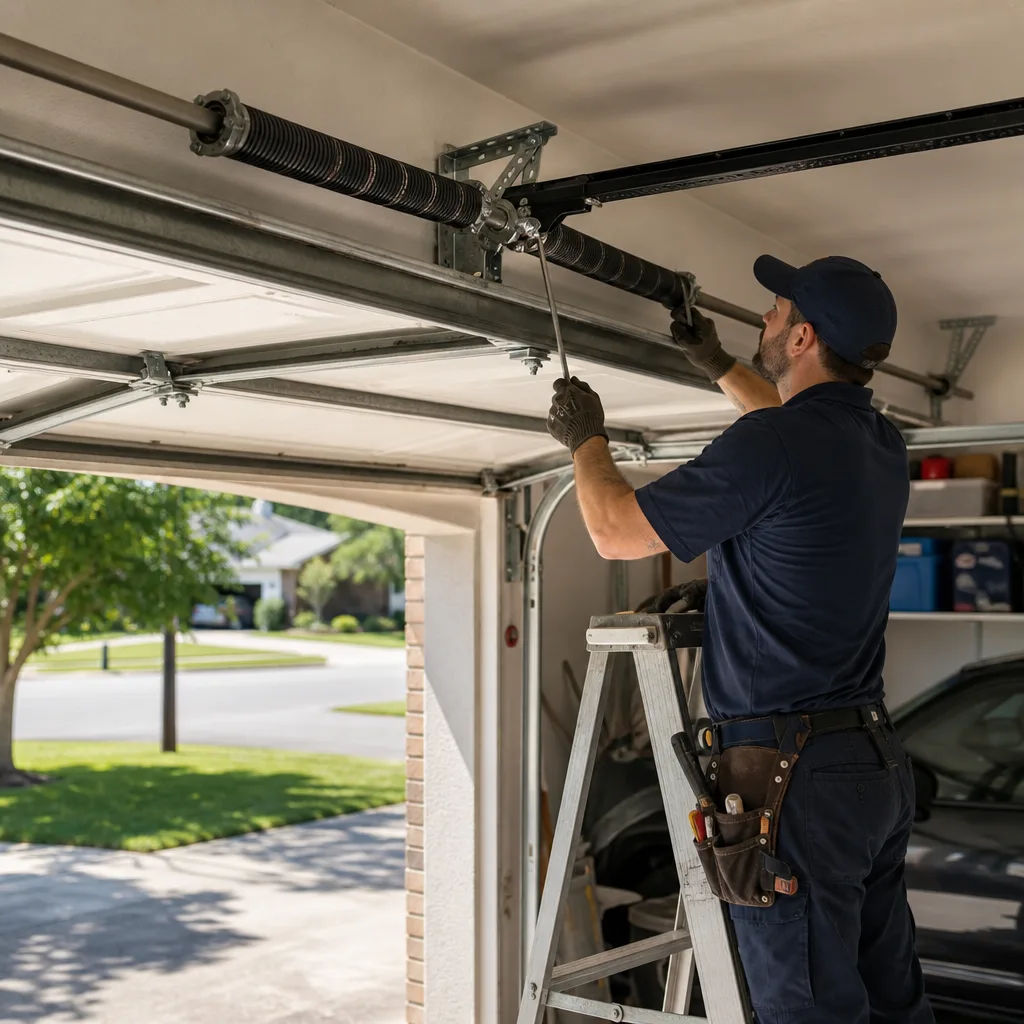 After
AfterGarage Door Permits, Codes & Inspections in FL: What You Need to Know
Here’s something most Oviedo homeowners don’t discover until it’s too late: a garage door isn’t treated like a light fixture, a water heater, or even a front door under Florida law. The Florida Building Code classifies a garage door as a “large missile impact opening,” which places it in the same permit category as a new window or an exterior door system, not routine hardware replacement. That classification has real consequences. A garage door replacement over a specific square-footage threshold triggers a permit and a third-party inspection in Seminole County, and the threshold is lower than what many contractors will tell you. This guide explains the exact code sections, the square-footage and wind-speed thresholds, the permit paperwork you should keep, and what happens when unpermitted work surfaces during a title search years after the install. For related reading, see our Garage Door Warning Signs: A Oviedo Homeowner’s Reference Guide.
Quick Answer
In Florida, any garage door that is more than 25% of the wall area of the garage, or exceeds 180 square feet, requires a building permit and a product approval number with wind-load documentation. In Oviedo and the rest of Seminole County, a sliding permit is required for most residential replacements, with the permit fee based on the value of the work, and a third-party inspection is triggered when the door is installed on a home in a wind-borne debris region. If a previous owner did the work without a permit, that unpermitted installation typically surfaces during a title search or a homeowner’s insurance renewal, and remediation usually costs 2 to 3 times what the original permit would have cost.
Table of Contents
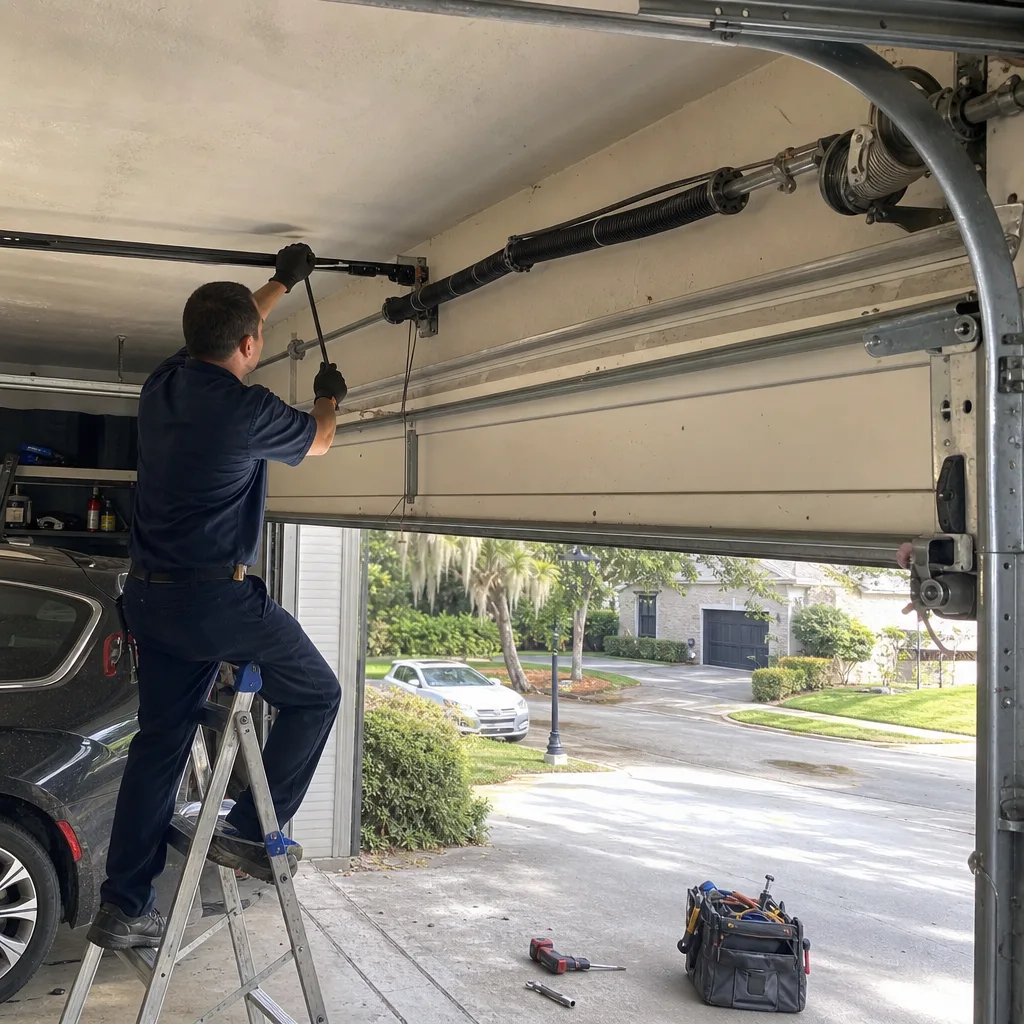
- The Florida Building Code and Garage Doors: Why the Classification Matters
- The Exact Permit Threshold for Oviedo Homeowners
- Seminole County’s Permit Process, Step by Step
- Notice of Commencement, Building Permit, and Product Approval Number: What You Actually Need
- Unpermitted Garage Door Work and Title Searches: What Happens Next
- Impact-Rated vs. Wind-Load-Rated Doors: The Distinction That Affects Your Insurance
- What Triggers a Field Inspection vs. a Desk Review
- Common Mistakes to Avoid
- When to Call a Professional
- Frequently Asked Questions
- The Bottom Line
BeforeAfterThe Florida Building Code and Garage Doors: Why the Classification Matters
The current edition is the 2023 Florida Building Code, and it’s the document that governs every residential garage door installation in Oviedo. Chapter 16 of the code covers structural design, and Section 1609 addresses wind loads specifically. That’s where the term “large missile impact opening” appears. It’s not dramatic phrasing. It’s a technical designation that means the opening is large enough, and the garage door is high enough off the ground, that wind-driven debris could penetrate it during a hurricane. When that happens, the pressure inside the garage changes suddenly, and that pressure differential is what blows the roof off a house. The garage door isn’t just a convenience. It’s part of the building envelope’s wind-resistance system.
The code requires that garage doors in wind-borne debris regions meet specific design pressure ratings, expressed in pounds per square foot, and that they be tested to withstand impact from a 9-pound 2×4 traveling at 34 miles per hour for large missile testing. That’s the “large missile” standard, and it’s written out in ASTM E1996 and ASTM E330, which are the testing standards the code references. When a manufacturer like Clopay or Amarr submits a garage door for Florida Product Approval, they’re certifying that the door meets those standards at specific dimensions and wind speeds. The product approval number that goes on the permit application is the proof that the specific door you’re installing has been tested.
For Oviedo homeowners, the wind speed used in design is tied to the risk category from the ASCE 7 map. Oviedo sits inland, roughly 20 miles from the coast, but it still falls within a wind-borne debris region under the code because Florida’s designation covers much of the peninsula. That means the requirements don’t disappear just because you’re not on the beach. The design wind speed for Oviedo is in the 140 to 150 mph range for Risk Category II residential structures, and any garage door installation in Oviedo has to be rated for that speed when the door exceeds the size threshold.
The practical consequence is that you cannot just buy any door from a big-box store, bolt it to the existing track, and call it done. The door needs a product approval number that matches the dimensions actually installed, and that number needs to be on the permit. When we install a Wayne Dalton or Genie system in Oviedo, the first thing we do is pull the Florida Product Approval documentation for the exact size and wind-load rating before we write the permit application. That’s the difference between a job that passes inspection and one that becomes a title problem later.
The Exact Permit Threshold for Oviedo Homeowners
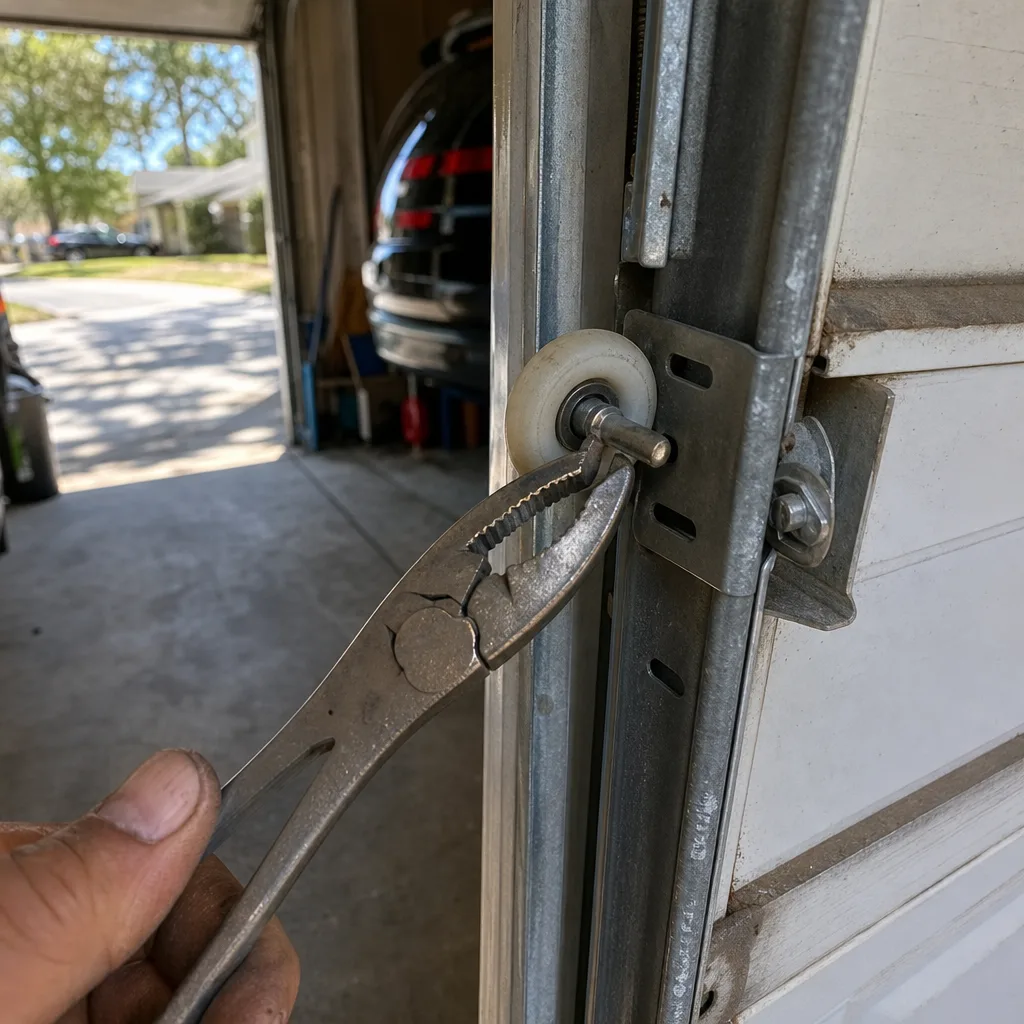
Here’s the number you need: 180 square feet. Under the Florida Building Code, a garage door that covers more than 180 square feet of wall area requires a building permit. For a standard single-car garage door that’s 8 feet wide by 7 feet tall, that’s 56 square feet, well under the threshold. A standard 16-foot-wide double door at 7 feet tall is 112 square feet. Still under. But a door that’s 18 feet wide by 8 feet tall is 144 square feet. Still under. It takes an unusually large or custom door to cross 180 square feet, which is why some contractors will tell you that most residential garage doors in Oviedo don’t need a permit.
But the 180-square-foot rule isn’t the only trigger. The code also requires a permit when the door is more than 25% of the total wall area of the garage, regardless of whether it crosses 180 square feet. And there’s a more direct route that affects nearly every Oviedo home: Seminole County’s administrative code requires a sliding permit for any garage door replacement where the opening is modified, the track system is changed, or the door is being replaced as part of a broader exterior alteration. The county treats the garage door as a structural component when the home is in a wind-borne debris region, and that designation means the permit path is the default, not the exception.
Let’s be specific about what this means in practice. An Oviedo homeowner with a 16×7 double garage door who calls us for a garage door repair in Oviedo that involves replacing the door panels and hardware, but keeps the existing track and opening, will usually not need a permit. The work is classified as repair, not replacement. But if that same homeowner wants to replace the entire door assembly, including the track, with a different size or a different wind-load rating, that’s a replacement, and it needs a sliding permit. The distinction between repair and replacement is one of the most misunderstood points in the whole process, and it’s the point where a contractor who doesn’t want to pull a permit will try to blur the line.
What we tell every Oviedo customer is this: the permit is cheap insurance. A sliding permit in Seminole County for a garage door replacement typically runs between $80 and $250 depending on the value of the work, and it takes a few days to process. Compare that against the cost of discovering unpermitted work during a sale. That’s not a repair cost. That’s a legal and title remediation cost, and it doesn’t come with a flat written price from a garage door company. It comes with attorney fees.
Seminole County’s Permit Process, Step by Step
Seminole County uses an online portal for residential permits, and the garage door replacement permit is filed as a “sliding permit” under residential alterations. Here’s the sequence, in the order it actually happens, based on what we file for Oviedo customers several times a week.
- Determine the door’s design pressure rating. The manufacturer’s product approval document states the design pressure, in pounds per square foot, for the exact model and size. That number must meet or exceed the code requirement for Oviedo’s wind speed zone. If it doesn’t, the door cannot be permitted for that opening.
- Pull the Florida Product Approval number. This is a state-issued number, usually beginning with “FL” followed by six or seven digits. It lives in the Florida Department of Business and Professional Regulation’s product approval database, and it has to be entered on the permit application. We photograph the failed component and the door label as part of our standard documentation, and the product approval number goes into the same record.
- File the sliding permit through the Seminole County portal. The permit application requires the property address, the parcel ID, the contractor’s state license number, the product approval number, the door dimensions, and the estimated value of the work. The fee is calculated from that value.
- Wait for the permit to be issued. Sliding permits for garage doors typically process in 2 to 5 business days. If the door exceeds 180 square feet or the opening is being modified, the county may require a full building permit instead of a sliding permit, which takes longer and may trigger plan review.
- Install the door, then schedule the inspection. The inspection is performed by a third-party agency, not a county employee, in most Seminole County residential cases. The inspector checks the door against the product approval document, verifies the design pressure rating, and signs off if the installation matches the permit.
One note on timing. If the old door is already off the house and the opening is exposed, the county can issue the permit after installation begins under the sliding permit rules, but the work cannot be completed before the permit is in hand. We don’t start the job until the permit number exists, because the alternative creates the exact title problem this guide is about.
Notice of Commencement, Building Permit, and Product Approval Number: What You Actually Need
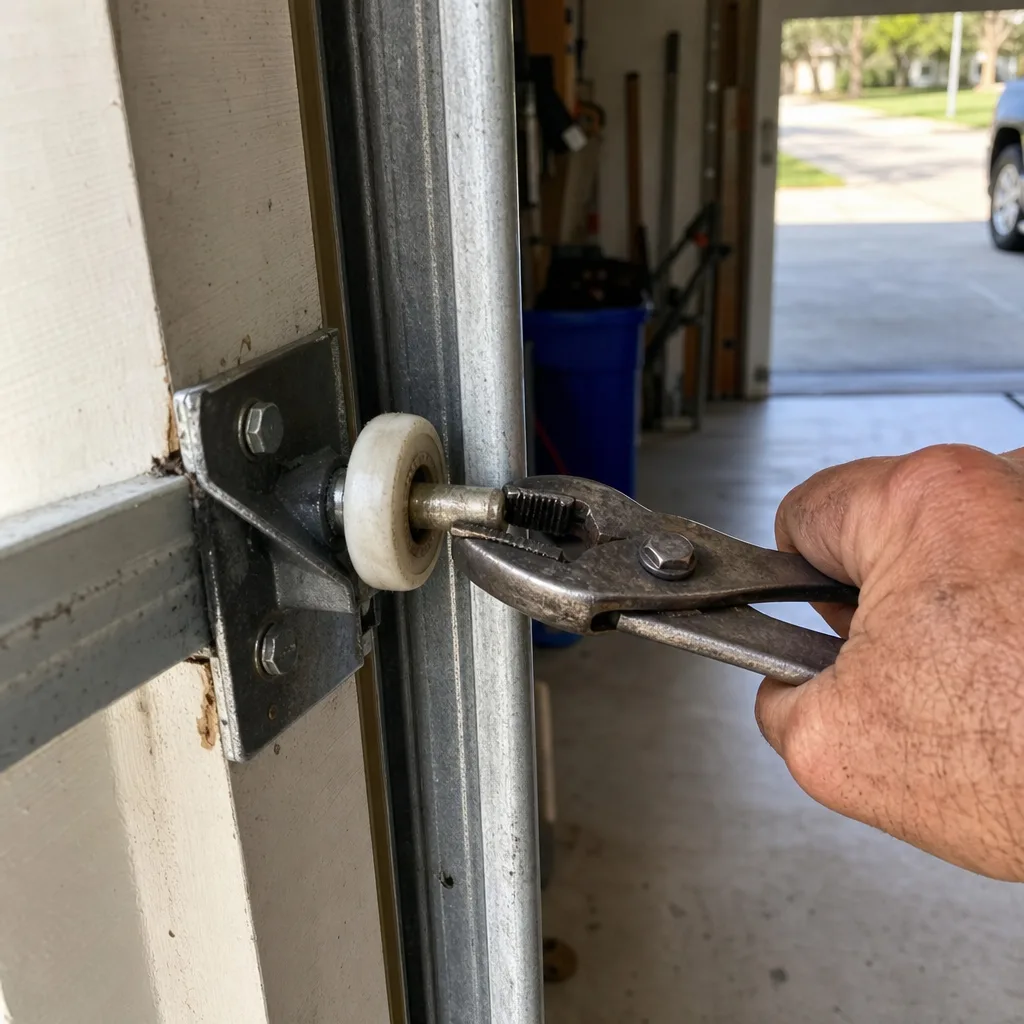
Three documents come up in every Oviedo garage door permit conversation, and most homeowners can’t tell them apart. It’s not their fault. The documents have names that sound like they should be the same thing, and two of them are filed by the contractor, not the homeowner. Here’s what each one is, what it does, and why you should keep a copy.
Product Approval Number. This is the document that proves the door itself is legal to install in Florida. It’s issued by the state after the manufacturer submits the door to wind-load and impact testing under ASTM standards. The number appears on a label on the door, and it appears on the permit application. Without a valid product approval number, the permit can’t be issued at all. When you’re comparing doors from Clopay, Amarr, Genie, or Wayne Dalton, ask to see the product approval document for the exact size and model you’re being quoted. The number should match the door on the quote, not a similar model from the same manufacturer.
Building Permit. This is the county’s authorization to perform the work. In Seminole County, it’s either a sliding permit for straightforward replacements or a full permit for larger or structurally modified openings. The permit is what the title company looks for when you sell the house. If the permit exists and the inspection was finaled, the work is considered closed. If the work exists but the permit doesn’t, that’s an open item that can delay or derail a sale.
Notice of Commencement. This is a document filed with the Seminole County Clerk of Court that establishes the legal start date of the project and protects the homeowner from liens filed by subcontractors or suppliers. It’s required for any improvement over $2,500 in Florida, and it must be posted at the property. For a garage door replacement in Oviedo that crosses that value threshold, the Notice of Commencement is part of the paperwork. If the job is under $2,500, the Notice isn’t required, but the permit still is if the door crosses the size thresholds.
What you should walk away with after the job is complete: a copy of the permit application, a copy of the finaled inspection report, a copy of the product approval document, and a copy of the Notice of Commencement if one was filed. That’s four documents. The photo record Servo provides on every job includes images of the door label showing the product approval number, the installed door on-site, and the permit documentation. Clause 4 of The Haven Standard is why we photograph the failed component before quoting a replacement, and the same documentation habit extends to the permit paperwork.
Unpermitted Garage Door Work and Title Searches: What Happens Next
The most common question we get from Oviedo homeowners goes something like this: “I bought the house three years ago, the garage door was replaced before we moved in, and I have no idea if a permit was pulled. Does it matter?” Yes. It matters more than most people realize, and it typically surfaces at the worst possible time.
Title searches are the mechanism. When you sell a home in Seminole County, the buyer’s title company runs a search that includes open and closed permits on the property. An unpermitted garage door installation is not an open permit. It’s a missing permit, and that’s harder to spot because there’s no record to find. What the title company looks for is a pattern: a home built in 2005, a record of no garage door permit ever filed, and a door that is visibly newer than the surrounding structure. A sharp inspector or an appraiser will flag the door’s age against the absence of a permit, and that flag goes into the buyer’s file.
The remediation path is not pretty. The seller is asked to either produce a permit retroactively, which Seminole County generally does not issue for work that was never filed, or to have the door inspected by a licensed contractor and then apply for a permit after the fact. The after-the-fact permit application requires the contractor to certify that the installation meets current code, and if it doesn’t, the door has to be brought into compliance before the permit can final. That can mean replacing the door entirely.
The cost comparison is where this becomes a cautionary tale. A correctly permitted garage door installation in Oviedo might add $80 to $250 in permit fees to the project. An unpermitted installation that surfaces during a sale can cost $1,000 to $3,000 in inspection, remediation, and re-permitting, plus the cost of a new door if the old one doesn’t meet wind-load requirements. And that’s before you consider the delay to the closing and the negotiating leverage it hands to the buyer. We’ve seen closings in Oviedo pushed back six weeks over this exact issue while the seller scrambled to find a contractor willing to take liability for someone else’s work.
Impact-Rated vs. Wind-Load-Rated Doors: The Distinction That Affects Your Insurance
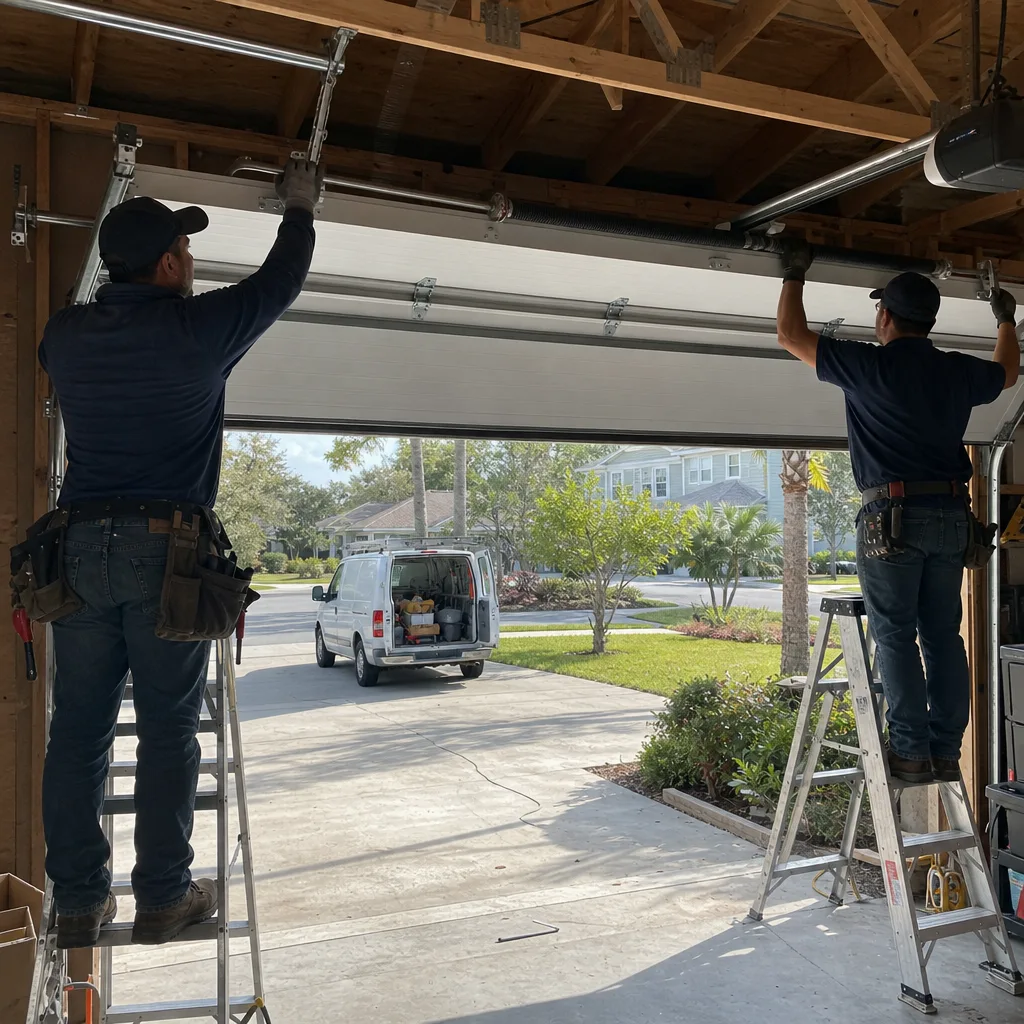
These two terms get used interchangeably in garage door marketing, and they shouldn’t be, because they describe different things and they have different consequences for your insurance premium. Here’s the distinction in plain language.
A wind-load-rated door is designed to resist the pressure of wind pushing against it without failing. The door has been tested to meet a specific design pressure in pounds per square foot, and it’s approved for installation in wind-borne debris regions at that rating. But wind-load-rated alone does not mean the door has been tested for impact from flying debris. The door holds the wind pressure, but a 2×4 through the panel can still create the internal pressure surge that damages the house.
An impact-rated door is tested and certified to withstand the large missile impact test, the 9-pound 2×4 at 34 mph. Impact-rated doors are more expensive, typically 20% to 40% more than an equivalent wind-load-rated door, because the panels are reinforced and the glazing, if any, is impact-resistant. The product approval document tells you which standard the door meets, and the wrong choice has concrete consequences.
For Oviedo homeowners, the decision usually comes down to insurance. Many Florida property insurers offer a wind mitigation discount for impact-rated garage doors, and the discount is calculated from the door’s product approval rating. A wind-load-rated door may qualify for a smaller discount or none at all, depending on the insurer and the age of the home. Before you choose a door, call your insurance agent and ask what documentation they require for the wind mitigation credit. That answer dictates which product approval number you need to match.
And for the record, the insurance documentation is one more reason the photo record matters. We document the door label and the product approval documentation on every job, and that record goes into the file we hand you when we leave. When your insurer asks for proof, you have it. If you need a garage door opener repair or replacement in Oviedo at the same time as the door replacement, we handle the entire assembly under one permit, which simplifies the paper trail.
What Triggers a Field Inspection vs. a Desk Review
Not every garage door permit in Seminole County requires a field inspection. Some are resolved at the desk. The distinction matters because it determines whether someone has to be home when the inspector arrives, and it affects the timeline.
A desk review is exactly what it sounds like. The permit application, product approval document, and door specifications are reviewed by the county without anyone visiting the property. Desk reviews happen for straightforward sliding permits where the door is a standard size, the opening isn’t being modified, and the product approval number matches the door being installed. If everything lines up on paper, the permit can be finaled without an on-site visit.
A field inspection happens when the door exceeds 180 square feet, when the opening is being enlarged or structurally modified, when the home is in a particularly exposed wind zone, or when the permit type requires verification that the installed door matches the product approval document. Field inspections in Seminole County are typically performed by a third-party inspection agency that the county has approved, not by a county building official. The inspection verifies the door dimensions, the wind-load rating, the product approval label on the door itself, and the attachment of the track system to the structure.
What triggers a field inspection rather than a desk review in Oviedo: any door over the 180-square-foot threshold, any door where the wind speed at the property requires a design pressure rating above a certain level, any door installed on a home where the garage faces an open exposure, and any job where the county flags the permit for verification. A door that’s 16×7, with a standard product approval number, on an interior lot in a subdivision, will often pass on desk review alone. The same door on a home backing up to open pasture or a lake will get a field inspection because the exposure is higher.
Whatever the trigger, the inspection is the point where the work becomes final. A finaled permit is the document that closes the loop. It’s what you show the title company, the insurance company, and the next buyer. The finaled inspection report is part of the documented record we deliver on every installation.
Common Mistakes to Avoid
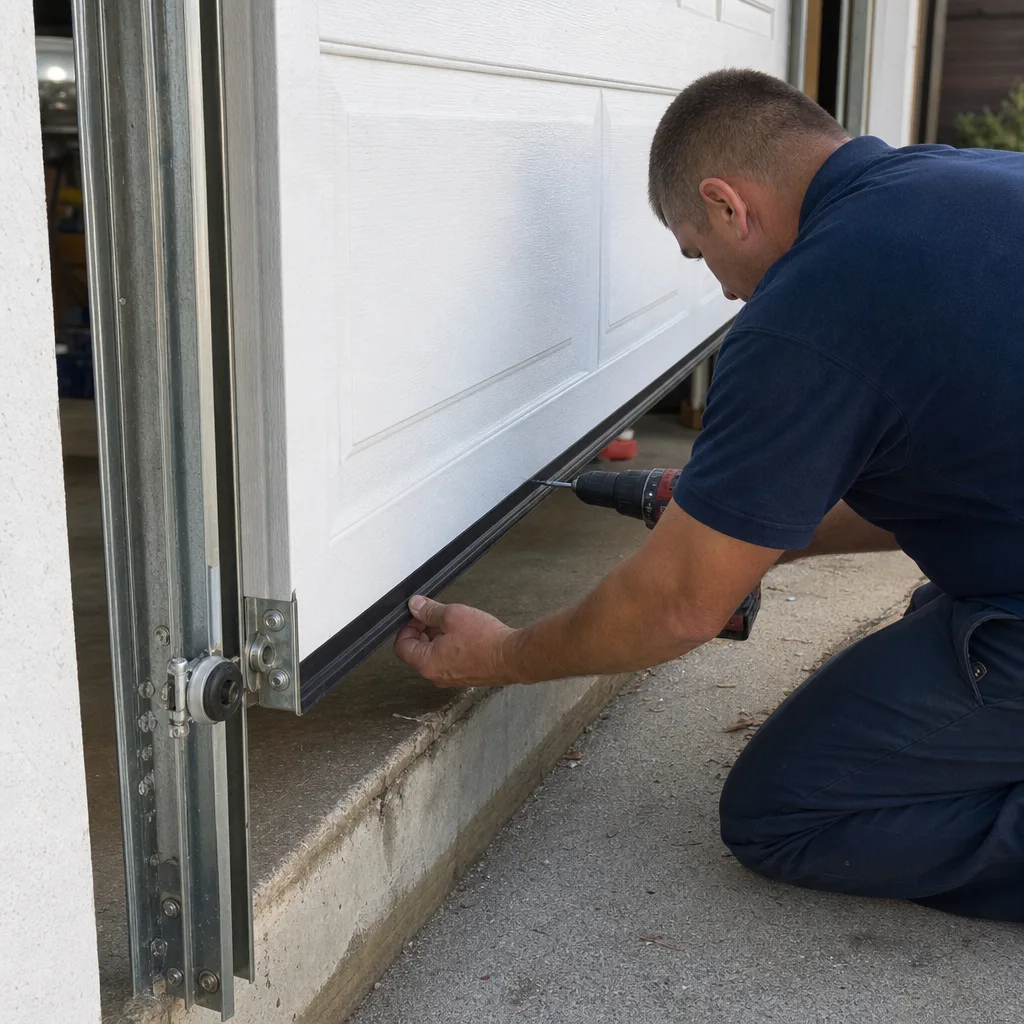
- Believing the door is “just a garage door” and no permit is needed. The 180-square-foot threshold is lower than most people expect for custom or oversized doors, and the wind-borne debris designation in Oviedo means the permit path is the default for replacements, not the exception.
- Letting the contractor use a product approval number from a different size door. A 16×7 door from Clopay has a different product approval number than a 16×7 from Wayne Dalton, and a 16×7 from the same manufacturer has a different number than the 18×8 version. The number on the permit has to match the door being installed.
- Filing the permit under the homeowner’s name to save the contractor’s fee. This is legal in Florida, but it means the homeowner takes responsibility for the work meeting code. If the door fails inspection, the homeowner is the one on the hook. We recommend the contractor pull the permit under their license, which puts the liability where it belongs.
- Letting the old door get hauled away before the new door arrives. If the old door is off the house and the opening is exposed for more than a few days, and a storm comes through, the damage is on you. We schedule the removal and installation in the same day or adjacent days, and we never leave an opening uncovered.
- Choosing a door based on price before checking the product approval rating. A lower-priced door that doesn’t meet the wind-load requirement for Oviedo can’t be permitted, and you won’t find out until the permit application is rejected. The door has to meet code first. Then you compare price.
- Assuming the home insurance wind mitigation discount is automatic. The discount requires documentation, and the documentation requires the correct product approval number matched to the correct door on the correct address. If that chain breaks at any point, the discount disappears.
- Skipping the Notice of Commencement on a larger job. If the project value crosses $2,500 and no Notice of Commencement is filed, a lien dispute later becomes your problem. The Notice is a one-page filing that protects you. It’s not optional for higher-value work.
When to Call a Professional
You can research permits, pull product approval documents, and read the Florida Building Code until you know Section 1609 by heart, but the moment the work crosses from research into installation, the calculus changes. A garage door is a heavy, spring-tensioned, wind-loaded structural component, and the springs and cables it rides on are under enough tension to cause serious injury when they fail. We regularly see torsion springs in Oviedo that have snapped clean through at the coil. That’s not a DIY project. It’s a reason to call someone who does this daily.
We also handle the permit paperwork as part of every installation, which means you don’t have to spend a morning figuring out the Seminole County portal. For more guides & resources on garage door ownership in Oviedo, visit our blog. We pull the product approval number, file the permit, schedule the inspection, and hand you the documented record at the end. If you’re comparing quotes for a garage door replacement in Oviedo, Servo Garage Doors Oviedo offers free estimates with a flat, written price and written scope before any work starts. Call (689) 666-4089 and we’ll walk through the permit requirements for your specific door and come out to measure it.
Frequently Asked Questions
Any garage door that exceeds 180 square feet in area, or that is more than 25% of the wall area of the garage, requires a building permit under the Florida Building Code, and most residential replacements in wind-borne debris regions like Oviedo require a sliding permit regardless of size. Call (689) 666-4089 and we’ll confirm whether your specific door falls under the sliding permit path.
A sliding garage door permit in Seminole County typically costs between $80 and $250, calculated from the estimated value of the installation work, and the fee is separate from the door and labor costs. The permit fee is always shown as a line item in our written price before any work starts.
No, replacing springs, cables, or other hardware on an existing door is classified as repair, not replacement, and does not require a permit as long as the door opening and track system are not being modified. That’s why it matters whether the work is defined as repair or replacement, which we always state clearly in the written scope.
Unpermitted garage door work typically surfaces during a title search when you sell the home, and the remediation path requires a licensed contractor to inspect the door, certify that it meets current wind-load code, and file an after-the-fact permit, which often costs $1,000 to $3,000 or more in total. The cheapest time to pull the permit is before the door goes in, not after it becomes a title issue.
A wind-load-rated door resists wind pressure but has not been tested for flying debris impact, while an impact-rated door has passed large missile testing under ASTM standards and typically qualifies for a larger wind mitigation insurance discount. Your insurance agent can tell you which rating is required at your address for the discount to apply.
A standalone opener installation typically does not require a permit, but when the opener is installed as part of a full door replacement that triggers a permit, the opener work is included on the same permit. We install LiftMaster, Chamberlain, Genie, and Craftsman openers under the same permit when the job warrants it.
The Bottom Line
The takeaway here is simpler than the code language suggests. In Oviedo, a garage door is a structural component subject to wind-load requirements, a permit threshold that most residential replacements cross, and a documentation trail that follows the house through every future sale and insurance renewal. The permit costs under $250 in most cases. The product approval number is free to look up. The photo record is proof. The only expensive option is the one where the work gets done without any of it, and the bill arrives years later during a title search. Pull the permit, keep the paperwork, match the product approval number to the door, and the garage door is never a liability again.
Written by Marcus Deller, Owner at Servo Garage Doors Oviedo, serving Oviedo since 2015.
Call (689) 666-4089 for a free garage door estimate in Oviedo